
There are figures that shake things up more than words. Sixteen thousand divorces in 2024: a country can change silently, then suddenly these data fall, clear, sharp, and reveal what we refused to see. The Tunisian family is no longer the compact unit of yesterday. It transforms, reinvents itself, sometimes weakens.
People marry late – often after age 34 for men, almost 29 for women. And we are getting married less: 70,000 marriages in 2024, compared to 78,000 just a year earlier. A sudden, almost dizzying decline, which tells of a country where commitment is negotiated differently, where the couple is no longer an automatic destiny.
The birth rate follows the same trajectory: from 225,000 births in 2014 to 160,000 in 2023. A fall which is profoundly reshaping society, reducing the size of households – from five members yesterday, to three today – as if each generation was shrinking its nest to breathe better.
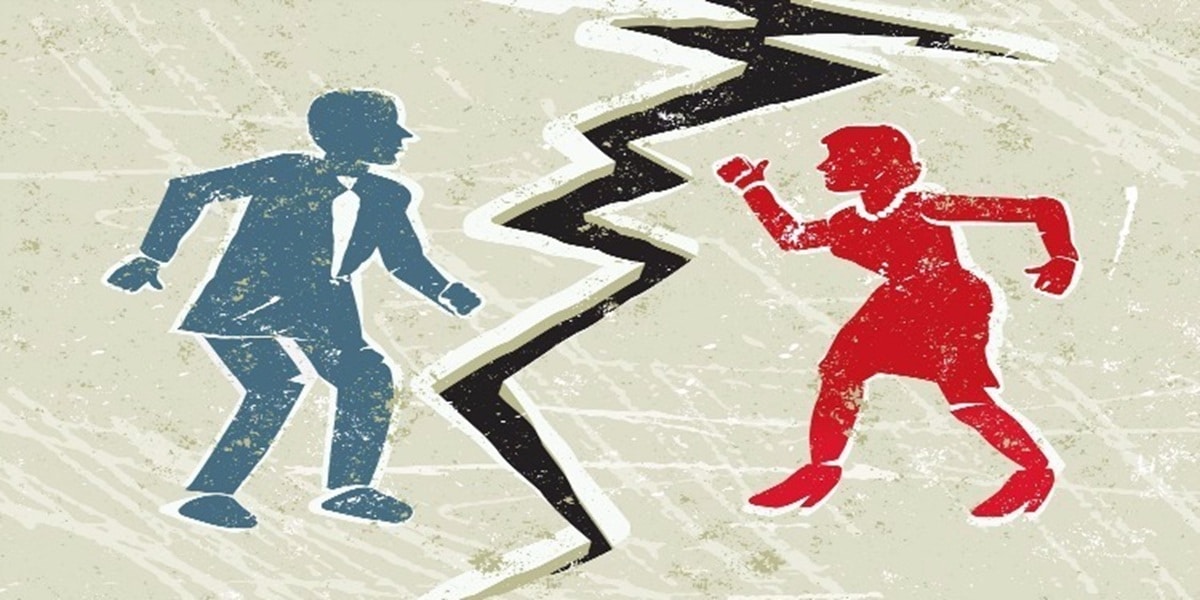
But it is divorce that speaks most clearly about our times. Sixteen thousand breakups in one year. And almost a third in the first ten years of marriage. The average age of divorce? Just 36 years old. In other words: Tunisians separate at the very moment when their parents were entering into stability. And behind these statistical lines, there are lives: nearly 600,000 children caught in the turbulence of broken families, some of whom are falling apart – around a hundred cases of suicide linked to post-divorce emotional crises.
Should we see this as a social catastrophe? Or proof that Tunisians now refuse forced unions, stifling compromises, the shackles of a family model that no longer resembles them?
The numbers are not judgmental. They simply tell us this: Tunisia is changing, profoundly, quickly, without waiting for the debate to follow. It moves from a model where the family was a refuge to a model where it becomes a choice – demanding, sometimes fragile, but assumed.
It remains to be seen whether we will be able to support this change. Because a society that changes is not a society that is lost. It is a society that is written differently – with its fears, its freedoms and its figures.
Read also