
Tunisian diplomacy is once again under tension. Relations with certain foreign ambassadors, particularly European ones, reveal frictions that go beyond the protocol framework and touch the heart of the country’s foreign policy.
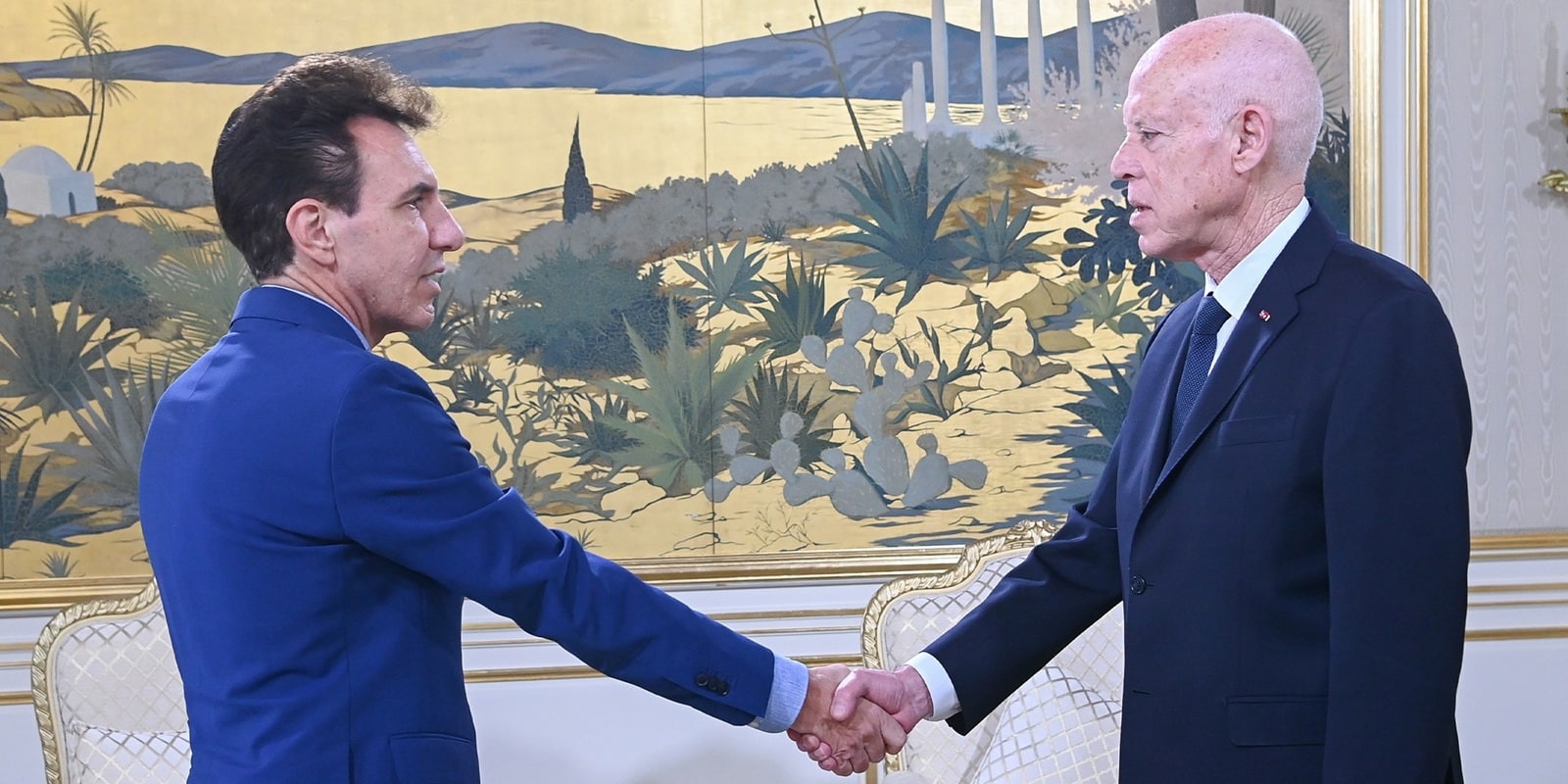
Recently, President Kais Saïed expressed his dissatisfaction with certain positions of the European Union, marking a new stage in already delicate relations. The tone of the exchanges culminated with the summoning of the Dutch ambassador to Tunis, illustrating how political disagreements can quickly translate into strong diplomatic gestures. These incidents remind us that ambassadors are not only representatives of their countries, but also strategic interlocutors in a context of complex and sometimes conflicting dialogue.
However, it is essential that the behavior and activities of ambassadors are strictly regulated, in accordance with diplomatic practices and customs. Any action beyond this framework, which could be perceived as interference in internal affairs, not only weakens national sovereignty, but also compromises the mutual trust necessary for constructive cooperation.
While these tensions are seen by some as an expression of asserted sovereignty, they also risk weakening essential cooperation with key economic and political partners. Ambassadors play a central role in the country’s development, facilitating international aid and promoting stability. Placing them at the center of recurring controversies could harm Tunisia’s diplomatic reputation and limit its room for maneuver on the international scene.
Tunisia finds itself at a strategic crossroads: it is crucial to manage these tensions with discernment, favoring dialogue and cooperation rather than confrontations, while ensuring that the diplomatic framework is respected and that interference in internal affairs remains excluded.