
Colonel Hichem Chaabani is sounding the alarm: in Tunisia, out of nearly two million motorcycles in circulation, barely 20,000 appear in official registers.
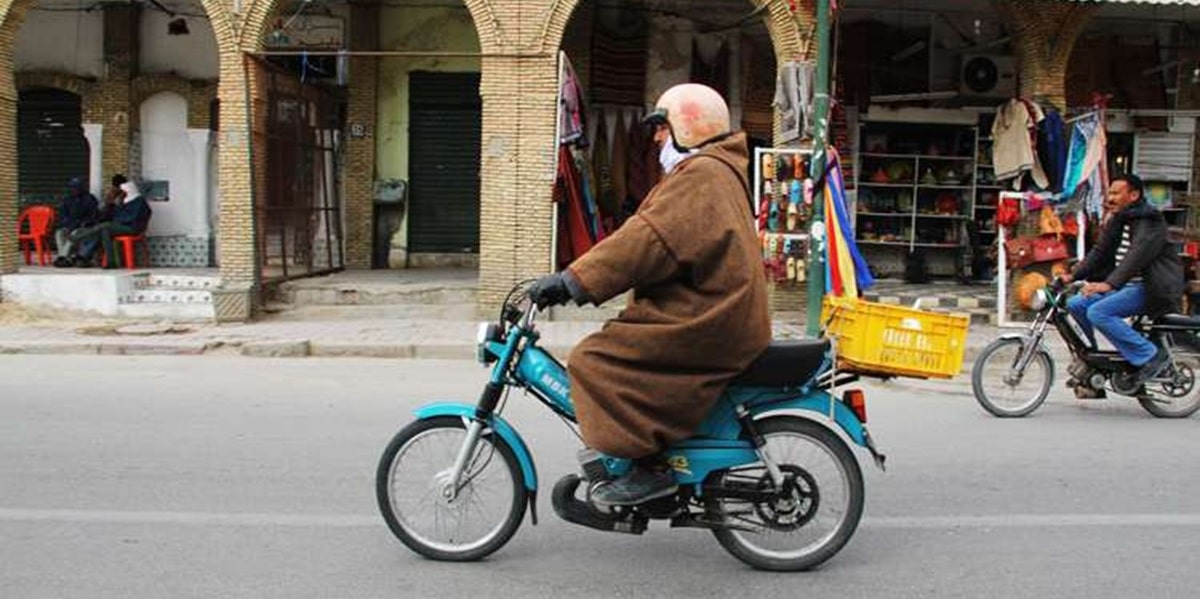
A largely ghost fleet, where the majority of drivers drive without a license, without a helmet, outside the legal framework and sometimes even… on the sidewalks. An explosive situation, denounced during the work of the National Road Safety Council.
A massively undeclared motorcycle park
The figures put forward by Chaabani in a statement on Diwan FM are striking: only 1% of two-wheelers have proper registration. The rest escapes any administrative monitoring, with machines that are often non-compliant and impossible to trace in the event of an accident.
This legal invisibility prevents any real control and causes risks to explode on public roads.
Anarchic conduct becomes the norm
The colonel does not mince his words:
“Tunisian motorcyclists think they are pedestrians”.
He describes widespread behavior – driving on sidewalks, disregarding signs, wrong-way traffic, prohibited overtaking – which transform the roads into gray zones where the law no longer seems to exist.
However, he points out, motorcycles are subject to the Highway Code like any motorized vehicle.
AA license required, helmet required… but rarely respected
Chaabani insists: driving a two-wheeler requires a category AA license and the wearing of a helmet. However, most drivers do not have one, exposing themselves to severe sanctions.
The use of motorcycles to transport passengers – sometimes several – also remains illegal, but omnipresent in large cities and in the regions.
The regional manager warns of a now systemic scourge: the culture of “anything goes”.
The lack of registration, the permanent violation and the virtual absence of control create an environment where accidents proliferate, without guarantee of compensation, liability, or even identification.
Faced with this massive drift, Chaabani pleads for compulsory registration that is actually applied, reinforced control operations, systematic sanctions against driving without a license, and bringing two-wheelers into compliance to reduce a risk that has become critical.
Read also