

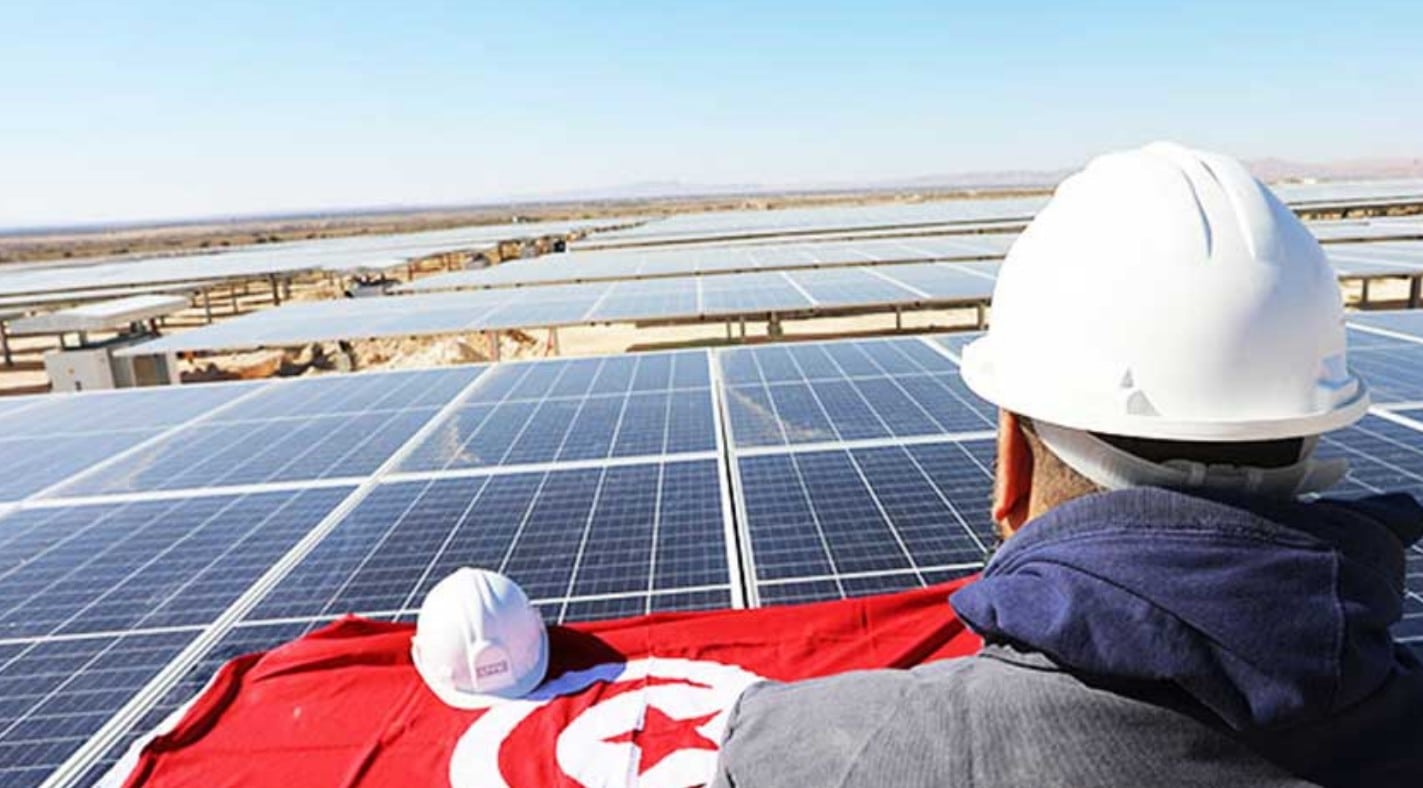
As part of the continuation of the national program to reduce energy consumption in public institutions, three Tunisian establishments are preparing to be equipped with photovoltaic systems intended for self-consumption, in addition to operations to improve the energy efficiency of their buildings.
The objective is to reduce energy demand and gradually reduce the burden of state support for energy products.
This measure was made official in the Official Journal of November 27, 2027, through a joint order from the Minister of Industry, Mines and Energy and the Minister of Transport, dated November 27, 2025.
The targeted program brings together two complementary components:
- Photovoltaics connected to the grid;
- Improving the energy performance of public buildings.
These initiatives are part of the loan agreements between Tunisia and the KfW – German Development Bank, which jointly finances these actions with the Energy Transition Fund.
The institutions concerned
According to the decree, the beneficiary institutions of this phase are:
- The official printing office of the Tunisian Republic in Rades,
- The Office of Civil Aviation and Airports (OACA) in Tozeur,
- The building of the Presidency of the Government at the Kasbah (Bab El Assal), Tunis.
These sites will be equipped with solar installations and devices aimed at optimizing their energy performance. The estimated cost of this stage amounts to 13 million dinars, financed by:
- a loan and grant from KfW,
- credits from the Energy Transition Fund.
Implementation will be continued by the National Agency for Energy Management (ANME), in its capacity as delegated project owner, in accordance with the contractual agreements in force.
An execution deadline set at six months
The text specifies that the duration of execution of the program is six months, from the date of publication of the decree in the Official Journal.
This project is part of the national strategy aimed at strengthening energy sovereignty, encouraging the production of clean energy and gradually relieving the state budget, strongly impacted by the cost of energy subsidies.
Read also