
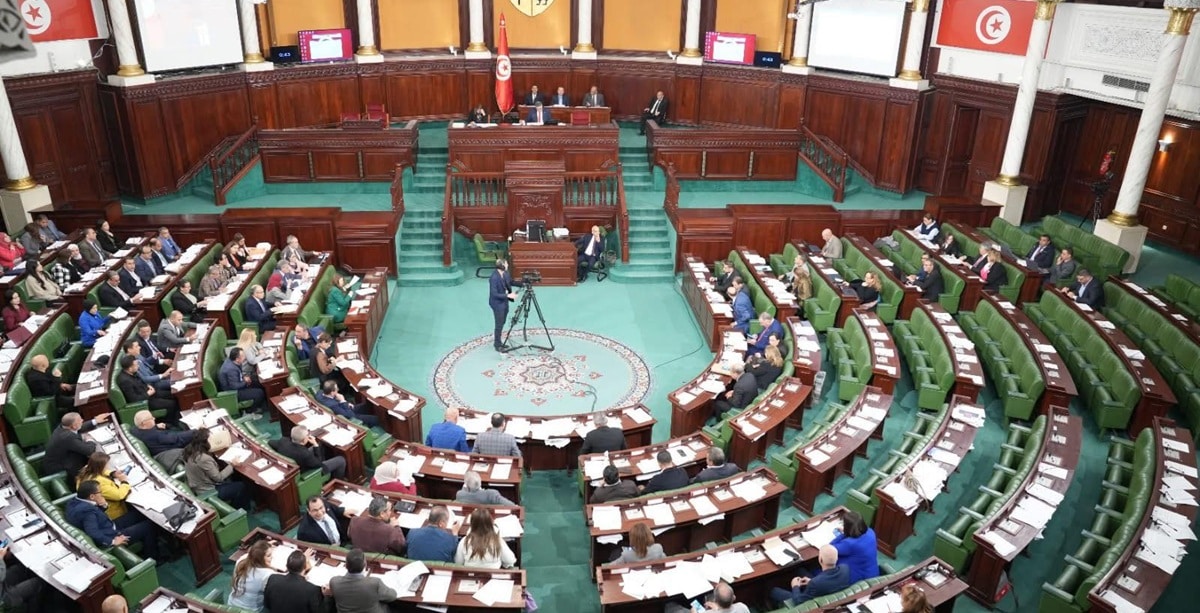
The rate of salary increases and pensions provided for in the 2026 finance bill will not exceed 3.8% for the years 2026, 2027 and 2028, revealed Yasser Kourari, president of the General Legislation Commission in parliament.
Invited this Wednesday, December 3, 2025 on National Radio, he explained that this estimate results from data made available to deputies.
According to Kourari, several elected officials had proposed an increase of 7%, slightly higher than the inflation rate, but this option was rejected. He expressed hope that this percentage would be reintroduced by members of the Council of Regions and Districts.
The MP judged that the 3.8% increase remains very low and does not respond to the continued erosion of the purchasing power of Tunisians in the face of the increase in the cost of living and inflation.
Kourari affirmed that his parliamentary bloc will defend the reinstatement of article 50, relating to the wealth tax, as well as the proposal for a 7% increase in salaries and pensions. He recalled that the Minister of Finance, Mechkat Khaldi Salama, committed to presenting a new version of article 50 based on article 112.
Saied details his social choice
The President of the Republic, Kais Saïed, brought to the forefront an issue that had become explosive: the increase in wages. A measure included in next year’s finance bill and which the Head of State presents as an assumed choice, far from being an exception or a luxury in the current context.
The president recalled that the increase in remuneration is part of the continuity of a tradition of the Tunisian State. According to him, the finance laws from 1973 to 1976 already included similar mechanisms, proof that salary adjustment is neither unprecedented nor unreasonable, but is part of a stated social logic. In his vision, a social State must take its responsibilities to guarantee dignity and equity, especially in a situation where purchasing power is eroding and regional disparities persist.
Read also