

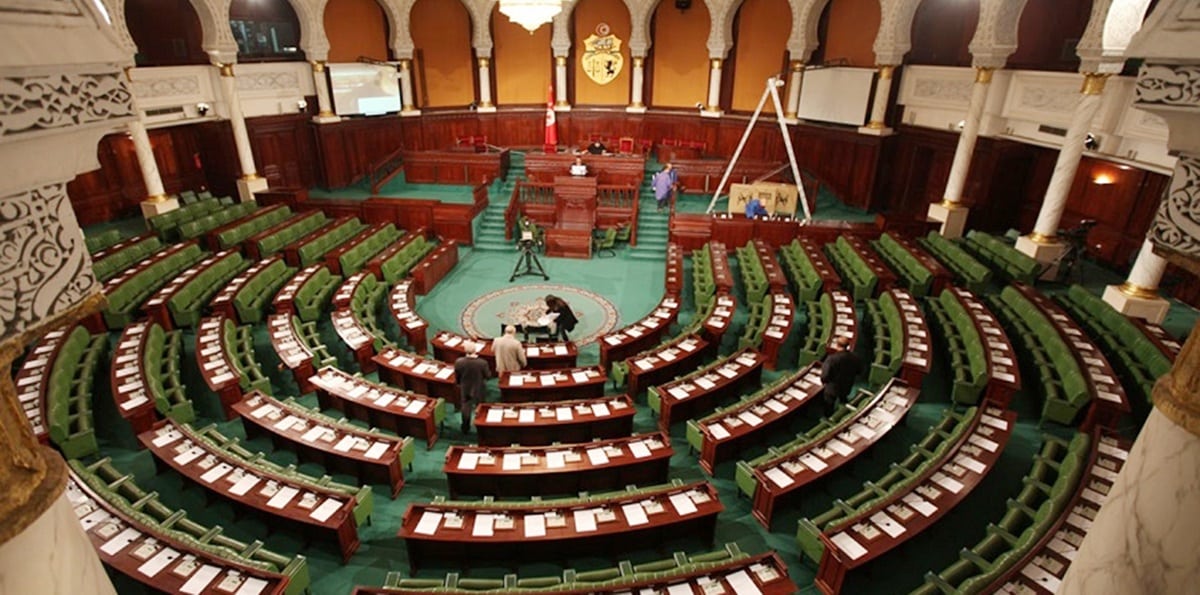
The plenary session of the Assembly of People’s Representatives rejected, this Monday, the proposal to add an article to the 2026 finance bill aimed at creating a financing line called “marriage assistance loan”. The text obtained only 26 votes in favor, against 87 oppositions and 6 abstentions.
The envisaged mechanism provided for the establishment of a fund managed by the Ministry of Social Affairs to grant young Tunisians aged 18 to 35 loans of up to 30 thousand dinars, interest-free and repayable over seven years. The system also included a grace period of six months before reimbursement begins.
The project introduced control and coordination procedures between the Ministry of Finance, the Central Bank and local banks, as well as eligibility criteria, guarantees and financing arrangements from the state budget.
The rejection of this mechanism puts an end, at least for the moment, to the idea of direct public support for marriage in an economic context marked by pressure on public finances and the priority given to other budgetary items.
Rising costs linked to married life
The debate around possible financial support for marriage is not new in Tunisia. For several years, the rising costs linked to married life and the economic precariousness of young people have fueled political discussions on the need for state support. The prices of housing, ceremonies and basic amenities have increased significantly, making the transition to family life difficult for many young people.
However, in a context where public finances remain under pressure, several similar proposals have been rejected in Parliament in the name of budgetary priority and the sustainability of spending. Opponents of the project estimated that the State could not support a new line of financing without disrupting the financial balance, especially in a budget already marked by heavy commitments to the social sectors, public debt and subsidies.
The rejection of this mechanism therefore puts an end, for the moment, to the idea of direct public support for marriage, while the subject continues to spark a social and political debate on the means of supporting Tunisian youth.