
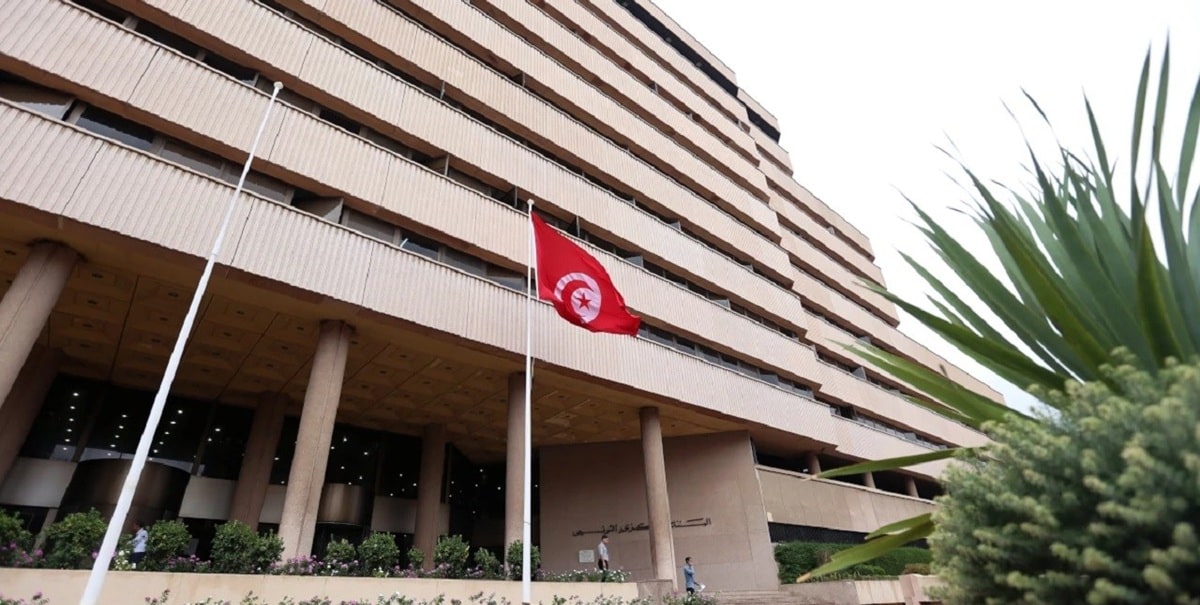
The monetary indicators published by the Central Bank of Tunisia (BCT) as of November 28, 2025 offer a contrasting panorama of the country’s financial situation. Between a slight decline in foreign currency reserves, an apparent improvement in debt service and a sharp increase in currency in circulation, the signals are not all pointing in the same direction.
Net foreign currency reserves amount to 24.6 billion dinars, the equivalent of 105 days of imports. A level that is still comfortable, but down slightly by 1.3% compared to the same period in 2024. This decline reflects the structural fragility of the balance of payments, still subject to the vagaries of energy and food imports.
At the same time, two indicators continue to provide valuable support to external finances:
– Tourism revenue, up 6.96%, reached 7.3 billion dinars.
– Transfers from Tunisians abroad, up 6.94%, stood at 7.7 billion dinars as of November 20.
These two sources of foreign currency remain essential in a context where foreign investment remains timid and negotiations with international donors are prolonged.
Another notable development: external debt service in 2025 fell by 13.9%, reaching 11.3 billion dinars, compared to 13.1 billion the previous year. A drop which may reflect either a slowdown in maturities reaching maturity, or a partial rescheduling. But it does not mean lasting relaxation, with debt pressure remaining structurally high.
On the other hand, another indicator is of concern: the currency in circulation, notes and coins combined, continues to soar. It increases from 22 billion dinars at the end of November 2024 to 25.8 billion in 2025. This spectacular increase continues to fuel concerns about the size of the informal economy and low banking coverage, while increasing pressure on bank liquidity.
An economy that resists
The tension is also evident in the interbank market, where the volume of transactions jumped by 66%, reaching 3.7 billion dinars. Conversely, long-term refinancing from the BCT decreased by 4.7%, standing at 11.1 billion dinars, a sign of a slight adjustment in monetary policy.
Ultimately, the BCT figures indicate an economy that is resilient but remains under tension: a breathing space in tourism and transfers, a partial respite on the debt, but reserves that are slowly eroding and a money supply that is spiraling out of control. A fragile balance, which the coming months will show if it can hold in the face of the budgetary and social challenges of 2026.
Also read: