

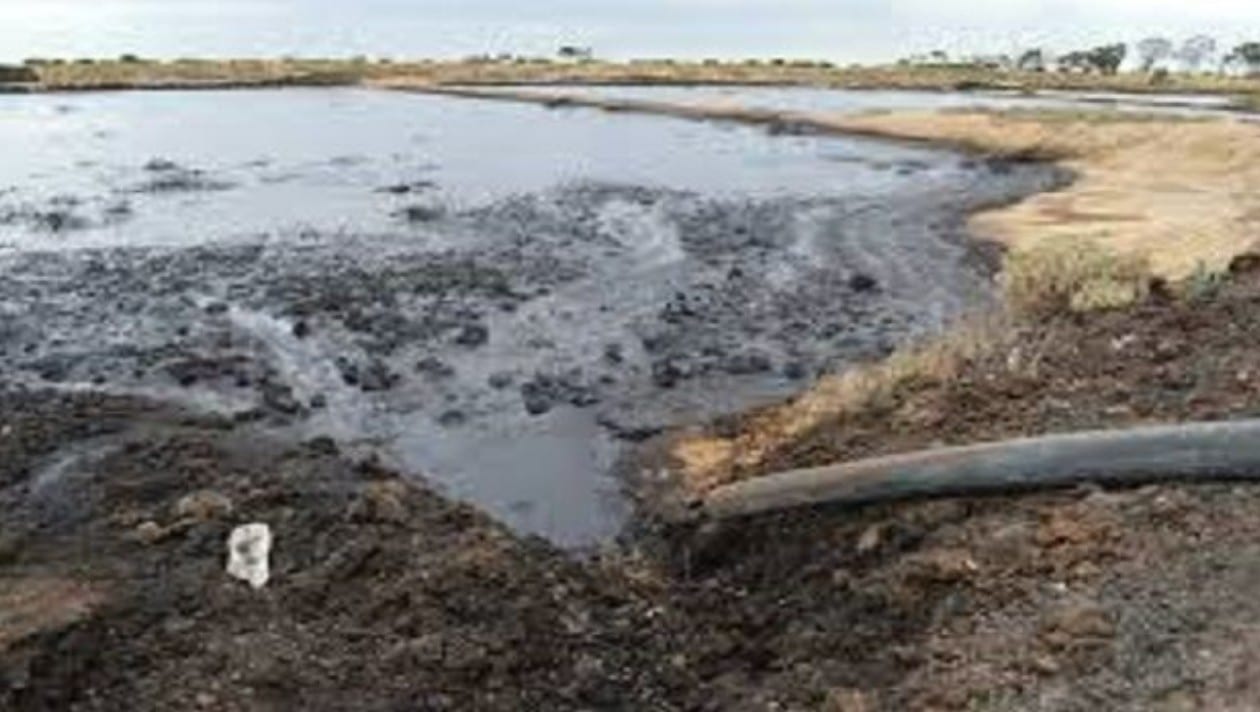
An oil mill located in the south of the Kef governorate was closed by decision of regional authorities, following an emergency meeting held Monday at the governorate headquarters. At issue: environmental damage considered serious, caused by the dumping of vegetable water in the Sarrat wadi.
According to Sami Othmani, member of the local council of the Kalaat Sinan delegation, field findings confirmed the extent of the ecological damage. The inspections carried out notably revealed the death of several fish in the wadi, an alarming indicator of the pollution generated by this highly toxic substance resulting from the processing of olives.
In a statement given this Tuesday to the Tunis Afrique Presse Agency (TAP), Othmani specified that the closure decision came after direct verification of the responsibility of the oil mill concerned in the illegal dumping of vegetable oil. This material, known for its high polluting power, represents a serious threat to aquatic ecosystems and water resources.
Urgent intervention
Faced with the situation, the four municipalities in the affected area agreed to implement an urgent intervention. This consists of sucking up the quantities of vegetable oil spilled into the wadi and transporting them back to the oil mill, while awaiting solutions that comply with environmental standards.
This incident highlights the recurring problem of managing waste from oil mills, particularly during the olive crushing season. Despite repeated warnings, the uncontrolled dumping of vegetable oil continues to pose a major environmental challenge in several regions of the country.
Local authorities, for their part, affirm that stricter measures will be taken against any unit not respecting the regulations in force, in order to protect waterways and prevent new ecological disasters.
Also read:
2700 T of waste per day: Greater Tunis is preparing four recovery units