
According to several Algerian media, the authorities in Algiers have uncovered a fraud operation of unprecedented scale around the travel bonus of 750 euros granted by the Algerian state to its citizens for tourist trips abroad. At the heart of this stratagem, fictitious trips to Tunisia, organized by tourism agencies involved in practices deemed “illegal and misappropriated”.
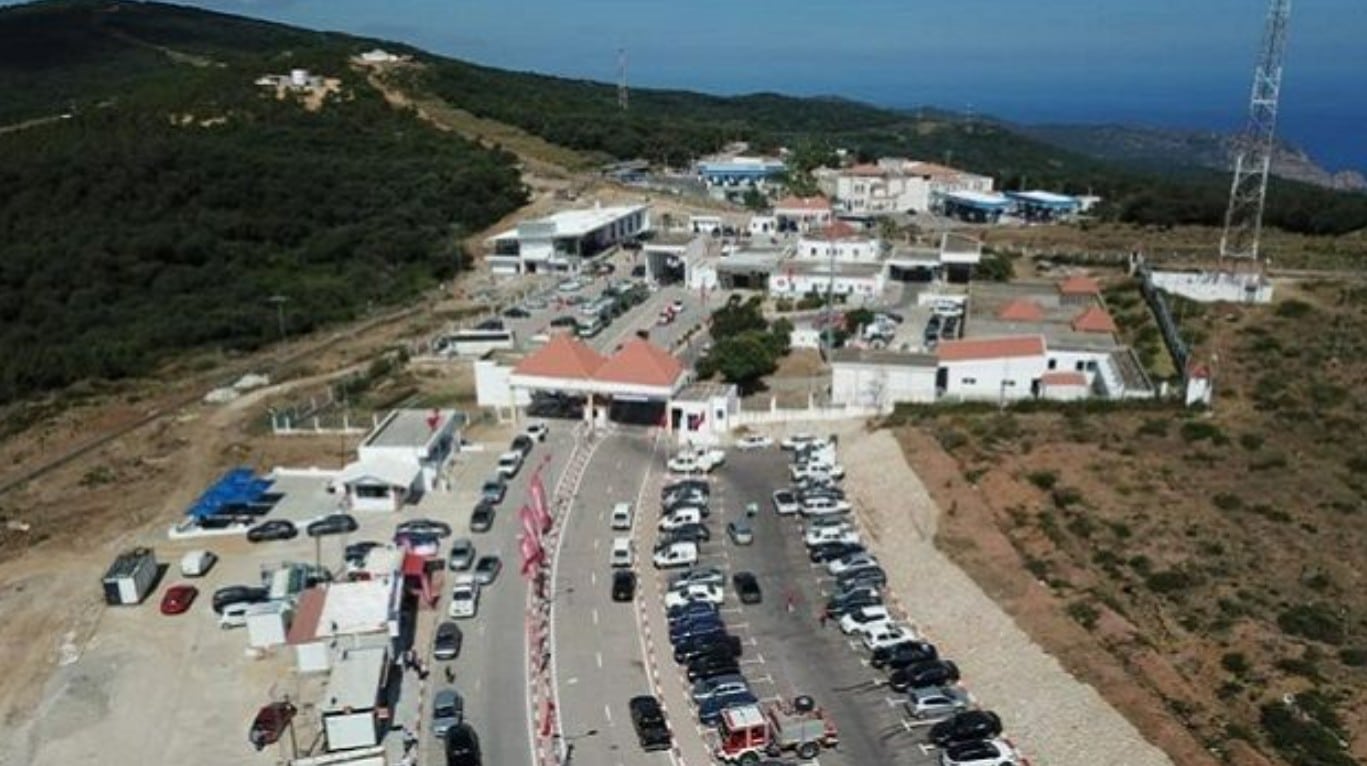
The Algerian Minister of the Interior, Local Authorities and Transport, Saïd Sayoud, revealed before the National People’s Assembly that several agencies simulated tourist circuits in order to allow beneficiaries to obtain the bonus without actually leaving Algerian territory. The process consisted of transporting travelers to Tunisia formally, having entry stamps affixed to their passports, before returning them to Algeria via unmonitored crossing points.
The figures put forward by the minister reveal the extent of the phenomenon. Around 5,000 buses are believed to have crossed the Algerian-Tunisian border between November and December, a traditionally slow period for Algerian tourism to Tunisia. This unusual flow also attracted the attention of the Tunisian authorities, the subject having been raised during the recent work of the Algerian-Tunisian joint cooperation commission.
The investigations made it possible to identify the use of around 100,000 people, mainly unemployed people, as fictitious beneficiaries of the bonus. The latter were listed as travelers even though they were not actually staying abroad, thus allowing the networks involved to unduly capture foreign currency allocations.
Organized fraud
Faced with this organized fraud, the Algerian authorities have decided to tighten the control system. The minister announced a major change in the terms of granting the travel bonus, with increased use of electronic means of payment in order to ensure better traceability of transactions.
In this context, the Central Bank of Algeria has issued new directives making access to exchange rights conditional on holding a bank account. Cash payments are now prohibited, in favor of checks and CIB bank cards. In addition, the counterpart in local currency must be paid via the beneficiary’s bank, with the aim of limiting manipulation and strengthening financial control mechanisms.
This case highlights the perverse effects that certain public aid can generate when it is not accompanied by sufficiently robust monitoring systems, while underlining the interconnection of economic and migratory dynamics between Algeria and Tunisia.