

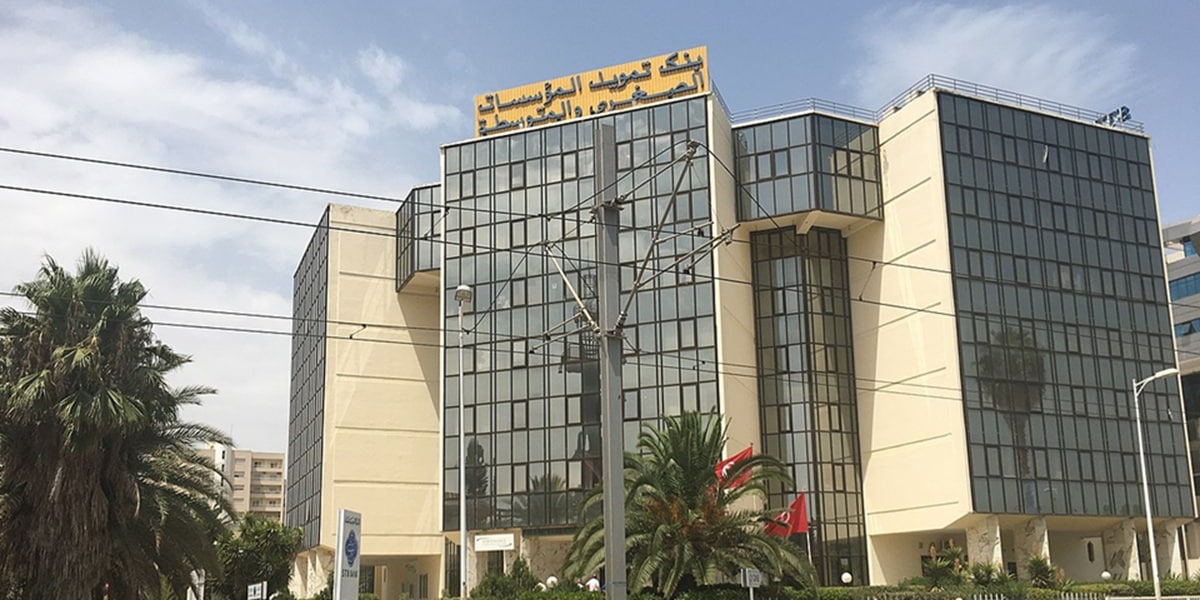
A public bank majority-owned by the Tunisian state, the Bank for Finance of Small and Medium Enterprises (BFPME) has initiated a gradual transformation of its activity. At the heart of this project are a new information system and the expansion of its services, with an increase in power spread out until 2027.
Guest of National Radio, its general director, Wajih Husseindetailed the contours of this evolution, initiated after nearly twenty years of operation with tools that have become unsuitable for the current requirements of the banking sector.
A digital system at 3.8 million dinars to change models
The transformation undertaken by BFPME is firstly based on the establishment of a new integrated information system. The cost of the project is estimated at 3.8 million dinars, including approximately 900,000 dinars spent on maintenance over a period of five years. A significant part of the system should come into operation from July 2026, before gradual generalization.
After a year 2025 marked by the gradual resumption of activity and the targeted financing of several projects, 2026 is presented as a phase of consolidation, with the continuation of financing provided for by the finance law and the partial deployment of the new information system. This intermediate stage should gradually prepare for the expansion of banking services announced for 2027.
Through this new tool, the bank intends to go beyond its historical role focused on financing investment, mainly equipment and infrastructure. The stated objective is to evolve towards a broader offer, including the opening of accounts for SMEs, the provision of means of payment and the development of short-term financing. According to management, this change should allow the bank to enter a new phase of its activity by 2027, without a sudden break but in successive stages.
30 companies financed in 2025, 700 SMEs in difficulty
In terms of activity, BFPME indicates having financed more than 30 companies during the year 2025, with credits of up to one million dinars. The projects supported mainly concern renewable energies, mechanical industries, as well as certain investments made within the framework of the Raïdat program, dedicated to projects led by women.
The bank is also highlighting a first in terms of financing startups. In 2025, thirty innovative companies benefited from loans at zero interest rate, as part of an envelope of three million dinars provided for by the finance law.
At the same time, management recognizes that around 700 small and medium-sized businesses are currently facing difficulties. A figure which underlines the persistent fragility of the economic fabric and reinforces the challenge of the transformation undertaken by this public bank, called to play a more central role, not only in financing, but also in supporting SMEs.
Also read: