
The National Council of Regions and Districts (CNRD) took up this Tuesday the sensitive issue of the shortage of medicines in Tunisia. The question was at the heart of a meeting of the Commission on Services and Social Development, in a context marked by recurring stock shortages, particularly for treatments for chronic illnesses and cancers.
During this session, the members of the commission agreed on the need to go beyond the theoretical framework and verify the situation on the ground. Visits are planned to several health establishments, particularly in the interior regions of the country, in order to precisely identify the dysfunctions causing the shortage.
MEPs insisted that the problem is not limited to a simple supply gap, but could be linked to structural flaws in the management, planning and distribution of medicines.
Distribution and smuggling at the heart of concerns
The debates highlighted the fragility of distribution circuits and the need to strengthen control mechanisms. Several speakers stressed that the poor organization of the distribution network, combined with the persistence of drug smuggling, worsens the situation and deprives many patients of essential treatments.
The commission called for intensifying the fight against parallel circuits, the impact of which is considered particularly harmful for the credibility of the public health system and for patient safety.
Drug manufacturers in the sights
Parliamentarians also questioned the decline in national production of certain drugs. They discussed the difficulties encountered by several pharmaceutical companies, whether organizational, financial or logistical.
This drop in industrial performance is seen as one of the key factors explaining the repeated shortages of certain products, including those considered vital.
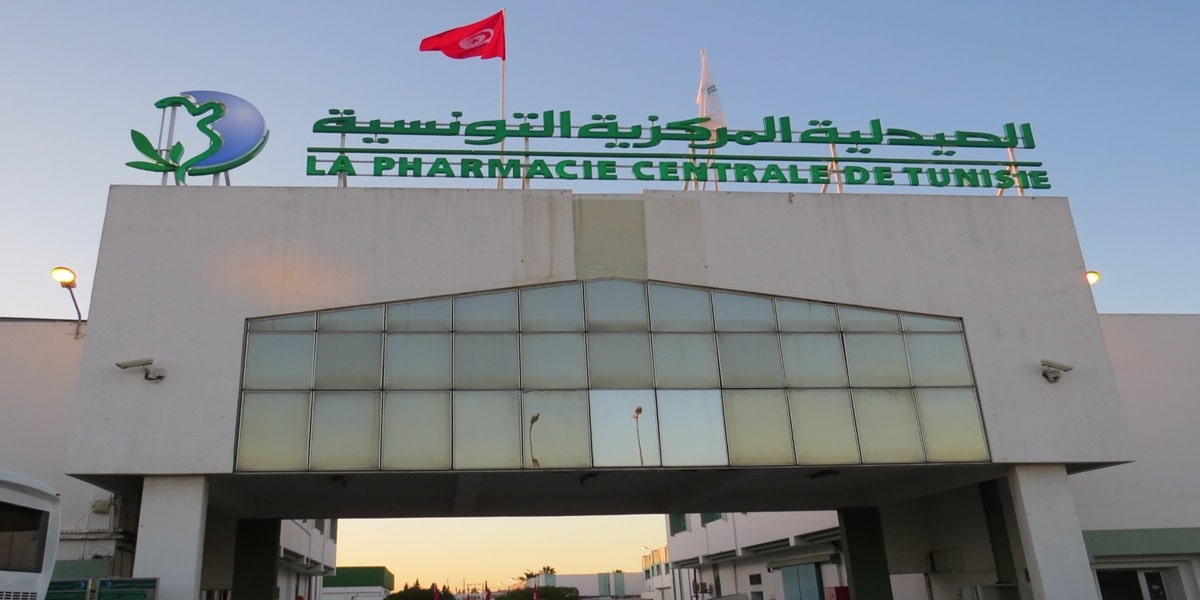
The Central Pharmacy called to play a strengthened role
Faced with this situation, the committee emphasized the need to revitalize the role of the Central Pharmacy and improve the overall efficiency of the supply system. The stated objective is to guarantee a regular and equitable supply of health establishments in all regions of the country, in sufficient quantities and within controlled deadlines.
MEPs believe that without in-depth reform of the supply chain, tensions on the medicines market are likely to continue.