

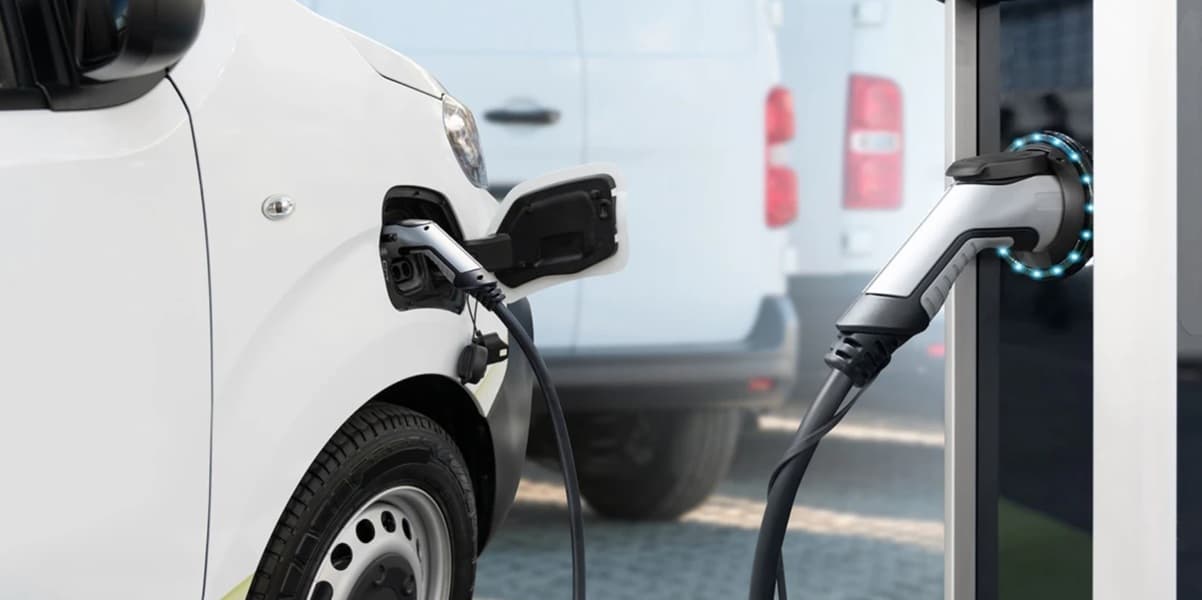
The national program to promote electric vehicles in public structures officially comes into force. If this initiative realizes an old objective, the project remains faced with historical and structural challenges linked to the implementation of electric mobility in Tunisia.
Entering into force on December 31, 2025, the national program aims to promote the use of electric vehicles within public establishments and local authorities. With a budget of one million dinars, it provides a bonus of 10,000 dinars for each vehicle acquired, paid by the Energy Transition Fund (FTE).
Implementation is entrusted to the National Agency for Energy Management (ANME), which will take care of the selection of beneficiary structures, determination of the number of vehicles allocated and support in the tendering and contract execution procedures. The program extends over two years, extendable if necessary.
The official objective is clear: strengthen energy management and accelerate the transition to cleaner mobility in the public sector.
An already old ambition, with historical limits
However, this initiative is not entirely new. As early as 2019, the general director of renewable energies announced the import of 1,000 electric cars for public structures, followed, subsequently, by a more ambitious project of 70,000 vehicles.
At the time, public and private actors, including STEG, SNDP, unions and several ministries, discussed regulations, taxation, charging infrastructure and beneficiaries. Pilot tests had been launched with a few vehicles to assess profitability, consumption and technological adaptation.
Despite these announcements, several challenges remain:
- Incomplete legislative framework to support the marketing and use of electric vehicles.
- Limited charging infrastructure, hampering mass adoption.
- Pilot projects remained modest, showing the slowness of execution.
In this sense, the 2026 program realizes an ambition several years old, but Tunisia will have to go beyond the experimental and budgetary stages to truly transform public mobility.
A step forward but much remains to be done
If the announced budget and bonuses constitute concrete progress, success will depend on the capacity of public structures to manage calls for tenders, the acquisition and maintenance of vehicles.
The program currently only covers the public sector, while the private sector represents a significant part of national energy consumption. An effective energy transition will require expanding incentives, developing charging infrastructure and creating a sustainable legal framework for the private sector.