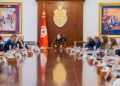

The Ministries of Agriculture and Commerce held a joint working meeting dedicated to monitoring the olive oil campaign, at a key moment in the production cycle.
Chaired by the two ministers concerned, the meeting focused on the evolution of collection, storage and export operations. The stated objective is to anticipate tensions linked to a high production volume and to ensure market balance while protecting producers.
Progress of the harvest and state of the market
The data presented at the meeting show progress in the harvest of around a quarter of the expected production. Discussions focused on the level of demand, both on the domestic and export markets, as well as on the volumes currently stored in oil mills. The evolution of prices, nationally and internationally, was also examined in order to assess the room for maneuver available for regulating the sector.
Pressure on oil mills and regulatory role of the State
Export professionals welcomed the intervention of the National Oil Office, called upon to play a central role in absorbing the volumes resulting from a campaign described as exceptional. According to them, the mobilization of the Office constitutes a key factor in stabilizing the market and avoiding saturation detrimental to producers.
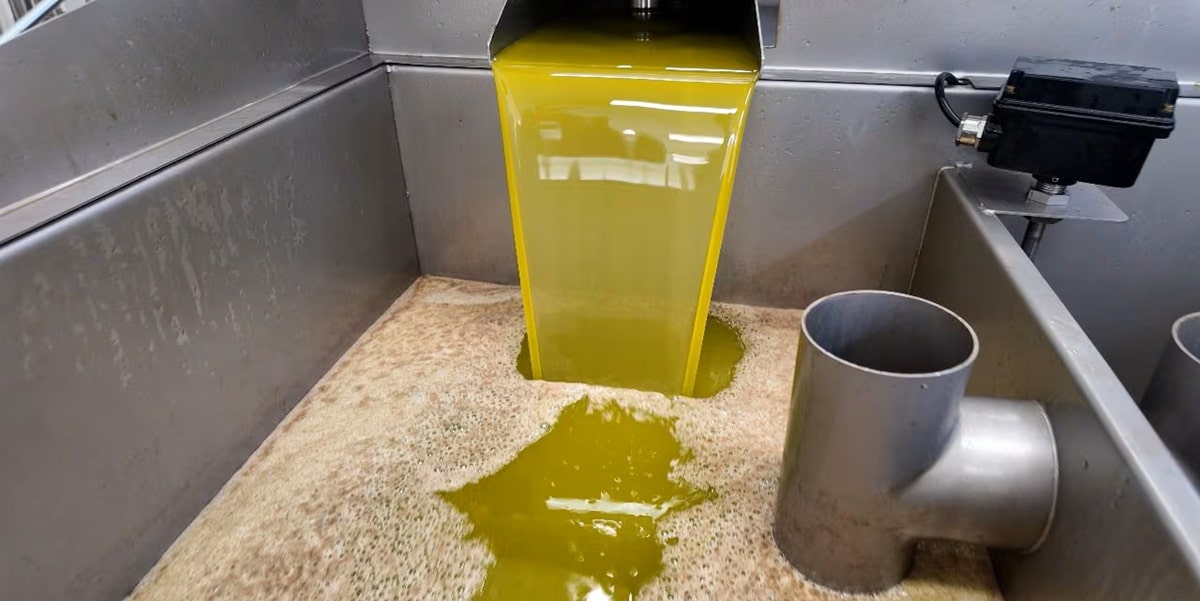
Representatives of oil mills, for their part, warned of the continued increase in stocks, in a context where the pace of production should further accelerate in the weeks to come, corresponding to the peak of the season. This situation requires, according to them, rapid solutions in order to guarantee the continuity of processing operations.
Financial support and guarantees for sector players
The banking establishments present reaffirmed their commitment to supporting the entire sector. They declared themselves willing to put in place financing mechanisms adapted to the benefit of farmers, oil mills and exporters, in order to support the fluidity of operations and prevent blockages linked to cash flow.
The two ministers, for their part, insisted on the national priority of protecting producers, particularly small farmers. They stressed the need to remove the obstacles encountered by oil mills, in order to guarantee the smooth running of the campaign under conditions deemed fair and sustainable.
At the end of the meeting, several operational decisions were taken. The authorities gave the green light to the effective launch of the national olive oil storage program, already validated during a previous ministerial meeting dedicated to the preparation of the campaign. It was also decided to launch an action to promote packaged olive oil on the domestic market.
Furthermore, reinforced coordination with the banking sector will be initiated in order to examine the mechanisms for financing the stock held by oil mills. The participants finally insisted on the need to preserve the image and value of Tunisian olive oil on international markets, considered as a strategic issue for the national agricultural economy.
Read also