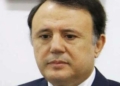


By inviting doctors and dealing with health topics in his broadcasts, Samir Elwafi finds himself at the heart of tensions with the Order of Physicians, which is tightening control over the media interventions of practitioners.
The National Council of the Order of Physicians recalled, this Tuesday, the obligation for practitioners to obtain prior authorization before any participation in the media. A clarification which comes in a context of growing tension between the Order and certain very popular programs, first and foremost those hosted by Samir Elwafi.
The order insisted on the imperative nature of this procedure, presented as a guarantee of respect for professional and ethical rules. Doctors wishing to intervene in audiovisual, written or digital media are now required to submit an official request via the dedicated space on the Order’s electronic website, so that it can be examined before any formal authorization.
The press release also specifies that the authorization number issued must be mentioned in all content distributed, including on social networks. The stated objective is clear: to strictly regulate the public speaking of doctors and prevent any deviation likely to undermine the ethics of the profession.
A program dedicated to psychiatry
Behind this decision, it is difficult not to see a direct reaction to certain programs broadcast recently on private channels, and in particular to those hosted by Samir Elwafi, who regularly invites doctors or addresses sensitive medical issues. Last Sunday, a program devoted to psychiatry particularly aroused the ire of the Order, which considers that the subject was treated in a manner contrary to the professional and ethical values of medicine.
Without being cited by name, the star host thus seems to become the bête noire of the Order of Physicians. Its broadcasts, known for their direct tone and their large audience, are regularly accused of blurring the line between information, spectacle and medical expertise, by exposing practitioners to debates sometimes considered simplistic or sensationalist.
This firm exit from the Order rekindles a recurring debate in Tunisia: how far can the freedom of expression of doctors go in the media space, at a time of the proliferation of television sets and digital content dedicated to health? Between the imperative of public information and professional responsibility, the line appears narrower than ever, especially when television transforms medicine into a prime time subject.