

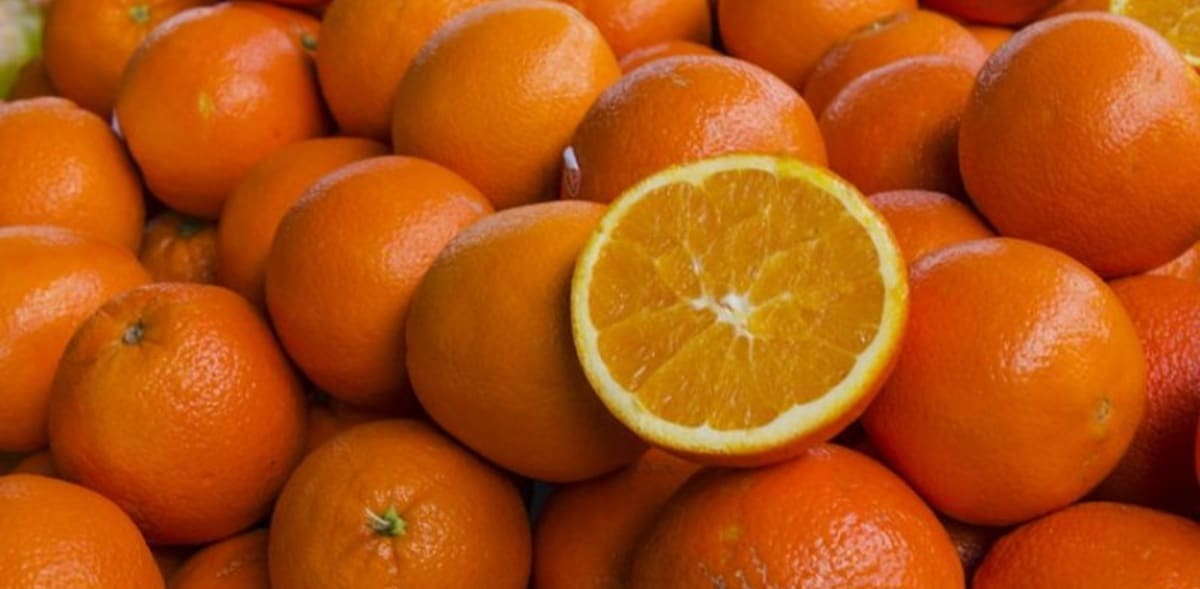
Tunisia kicked off the export season of Maltese oranges to France with the shipment of a first batch of 200 tonnes to the port of Marseille. An early start which aims to strengthen the Tunisian presence on a competitive market and to relaunch a strategic sector for national agriculture.
The export campaign for Maltese Tunisian oranges to France officially began with a first shipment of 200 tonnes. According to Imed Bey, president of the Regional Union of Agriculture and Fisheries (URAP) of Nabeul, the pace of shipments will gradually increase depending on demand from the French market.
An early launch to gain market share
This season starts a week in advance compared to previous years, a strategy intended to extend the export period and position the Tunisian product earlier on European shelves. A single week of campaign would allow the export of between 2000 and 3000 tonnes of Maltese oranges.
This relaunch is part of the incentive measures put in place by the Export Promotion Center. The stated objective for the current season is to reach 15,000 tonnes exported, compared to around 5,000 tonnes during the previous campaign.
Beyond Maltese oranges, Tunisian exports of citrus fruits, all varieties combined, have already reached nearly 13,000 tonnes. Libya remains a major outlet, with around 8,000 tonnes exported, a market that professionals are calling for to be consolidated while exploring new destinations.
Production under water pressure
The national production of Maltese oranges is estimated between 90,000 and 130,000 tonnes. Despite the constraints linked to the lack of irrigation water, the quality of the fruit remains considered satisfactory. The distribution of sizes, however, reflects the impact of water stress, with approximately 20% large fruits, 40% medium sizes and 40% small sizes.
According to professionals, the sweet taste and eating quality of Tunisian oranges remain a major asset in attracting foreign markets. The harvest began a few days ago and the pace of picking should intensify in the coming weeks.
Regional competition
Tunisian exporters face increasingly fierce competition, particularly on the French market. The high cost of maritime transport and the pressure exerted by Egyptian oranges, produced at nearly 380,000 tonnes, constitute major obstacles. Egyptian operators benefit from logistical advantages and incentives which strengthen their export competitiveness.
In this context, sector players are calling for targeted support solutions, including a reduction in logistics costs and more effective international promotion mechanisms.