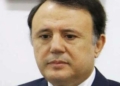


The National Health Insurance Fund (CNAM) is going through a severe financial crisis which is jeopardizing the payment of private providers and weakening the entire Tunisian social security system, despite an apparent accounting surplus. These revelations were made by social protection expert Badr Smaoui, in an interview given to the Tunis Afrique Presse Agency (TAP).
A paradox between surplus and lack of cash
According to Badr Smaoui, the CNAM, which covers nearly 3.5 million affiliates, displays a surplus of nearly 900 million dinars on paper, but in reality lacks immediate liquidity. This situation prevents the fund from settling its debts to pharmacists, doctors and other private providers, creating a worrying blockage in the care chain.
The expert emphasizes that the way out of the crisis is not limited to technical measures such as the electronic card or the revision of payment deadlines. It requires a comprehensive reform of the social security system, guaranteeing its financial sustainability and reducing dependence on contributions from employees and businesses alone.
He also highlighted the measures provided for in the 2026 finance law, which aim to diversify sources of financing, in particular through the introduction of new taxes. These measures would give the State a broader capacity for intervention to restore balance to the system.
Legal obligations not respected
According to Badr Smaoui, the 2017 law requires pension and social security funds to transfer certain contributions to the CNAM. However, the National Social Security Fund (CNSS) was unable to meet this obligation, due to its own financial difficulties, worsening the CNAM’s cash crisis.
The CNAM relies on three main support systems: public coverage, the most used with nearly 59% of policyholders, offering care in public hospitals and affiliated clinics; the cost reimbursement system, representing approximately 25% of insured persons, where the patient first fully finances their care before obtaining partial reimbursement (approximately 70%); the third-party payment system via the family doctor, the least used (18%), which benefits from a limited financial advantage but suffers from strong mistrust between the CNAM and providers.
This configuration reveals the structural flaws and fragility of the system, making a profound reform urgent to restore confidence, guarantee payment of providers and secure access to care for all Tunisian policyholders.