
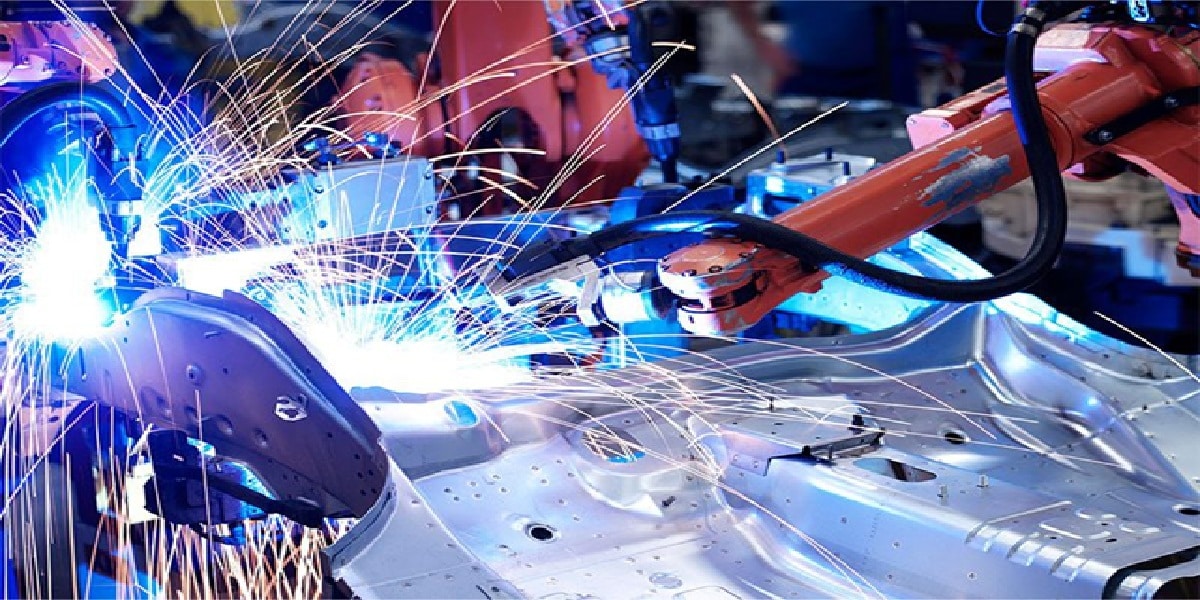
Established in Tunisia since 2015, El.Com is one of the Italian companies that have developed production capacities in the country over the last decade. According to information published by Nova News, the group, active in cable harnesses intended mainly for automobiles and certain industrial applications, today operates several sites in Tunisia.
This speech takes place in a context where the foreign presence is regularly highlighted as an indicator of economic stability. It thus participates in a broader discourse on the industrial attractiveness of the country, without necessarily summarizing the reality.
A progressive industrial establishment
Founded in 1967 in Brescia, El.Com opened its first Tunisian site in 2015, in the industrial zone of Djebel West. The unit originally covered 5,000 m² and employed around 200 people. The system was then expanded in stages. At this stage, El.Com Tunisie SA operates three industrial sites totaling nearly 20,000 m², with a workforce of around 800 employees.
According to the data communicated, nearly 25% of the group’s industrial capacities are currently located in Tunisia. The country thus constitutes one of the group’s production centers, mainly focused on export, in particular towards European markets. Despite the slowdown in the global automobile market, El.Com anticipates a moderate evolution of its activity by 2026.
The El.Com case is part of a broader landscape. Tunisia is home to nearly 1,000 Italian companies, representing more than a quarter of foreign companies established in the country. They are present in several key industrial sectors, notably the automobile, textile, mechanical and electrical industries. In this context, Italy is among Tunisia’s major economic partners, alongside France, the leading investor in volume, while the Chinese presence remains more limited.
A context marked by the Italian presence and FDI
At the end of September 2025, foreign investments in Tunisia reached nearly 2.6 billion dinars, up 28.1% year-on-year. Foreign direct investments remain mainly oriented towards the manufacturing industry, which accounts for around 63% of flows. Italy is among the main non-energy investors, in a pattern dominated by traditional European partners.
In its Tunisian establishment, El.Com benefited from the support of the Delta Center, a support structure for Italian companies on administrative and operational aspects.
Beyond the El.Com case, these elements remind us that Tunisia remains integrated into European industrial arbitrations as a production site oriented towards export, in a logic of costs, geographical proximity and availability of labor, more than in a staged success story.
Also read: