
The Chinese automobile group SAIC officially launches its high-end electric brand IM Motors on the Tunisian market. This arrival marks a new stage in the international expansion strategy of the Asian giant after the success of MG.
With ranges exceeding 650 km and performances worthy of European premium manufacturers, IM Motors intends to establish itself as a major player in electric mobility in Tunisia.
An entry into Tunisia at the heart of SAIC’s global strategy
SAIC, one of the largest Chinese manufacturers, is accelerating its development in Tunisia with the introduction of its 100% electric division IM Motors. Created in 2020 in partnership with Alibaba and Zhangjiang Hi-Tech, the brand targets the premium segment and is based on strong technological integration: on-board artificial intelligence, semi-autonomous driving and advanced digital platforms. IM Motors is a continuation of the global success of MG, which SAIC had brilliantly relaunched by focusing on electrification and price competitiveness.
IM Motors: a clearly premium ambition
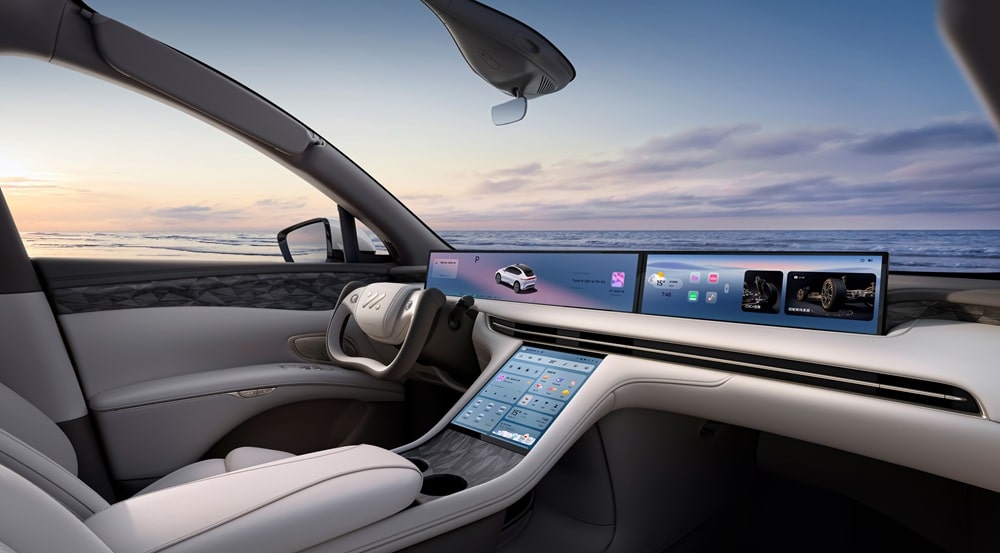
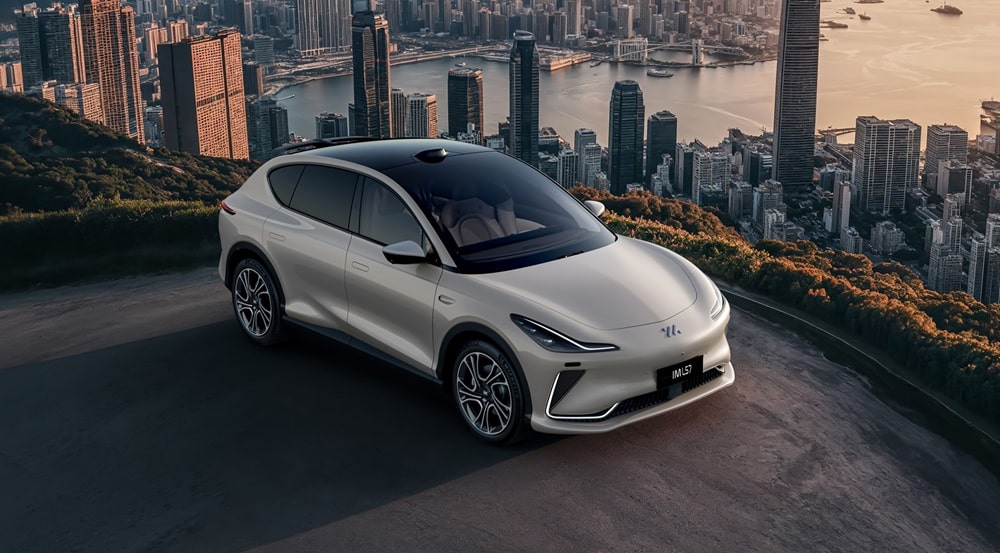
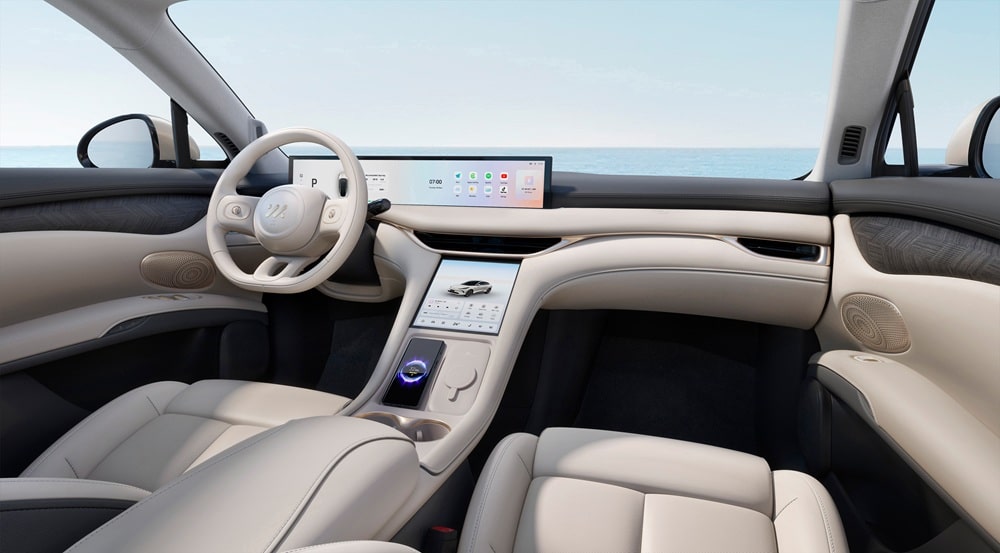
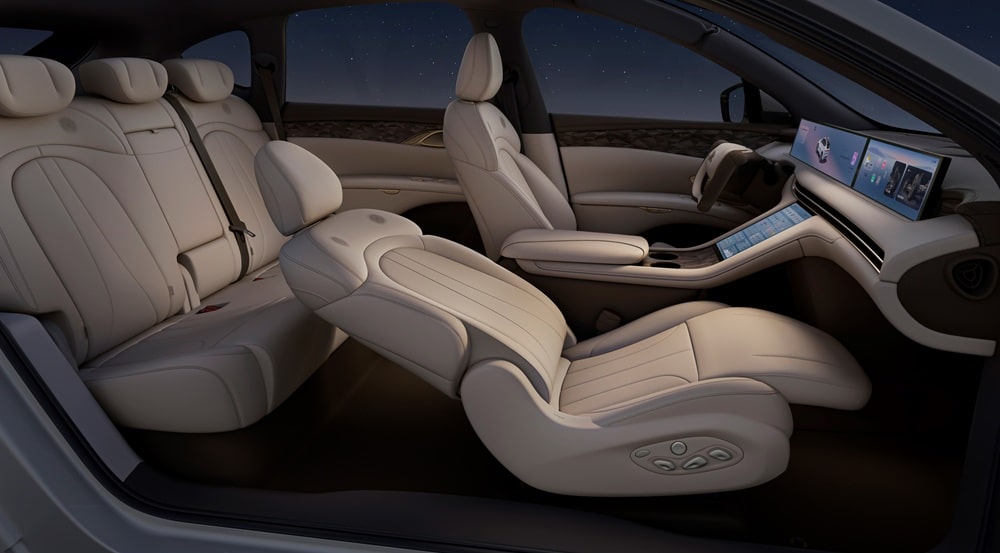
The brand highlights highly technological electric vehicles capable of competing with market benchmarks such as Tesla, Audi or Mercedes-Benz. The first models introduced in Tunisia – IM5, IM6 and soon the LS7 – display premium level services: long autonomy, latest generation batteries and advanced digital interfaces. Each model adopts a philosophy centered on intelligent mobility, with an assertive design and powerful engines.
Models intended for the Tunisian market
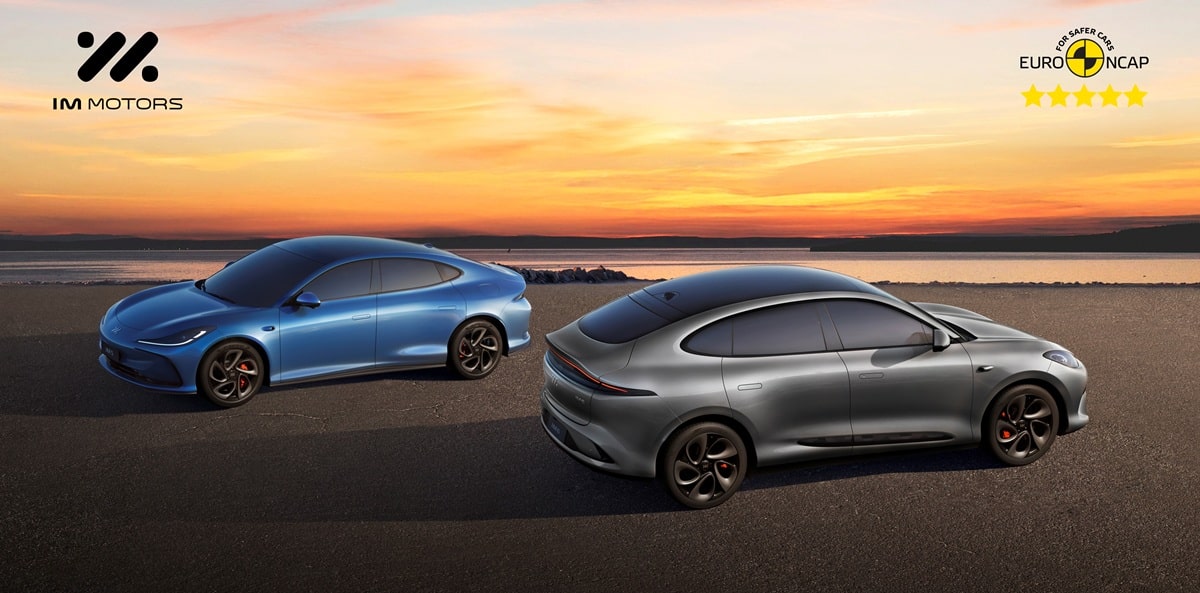
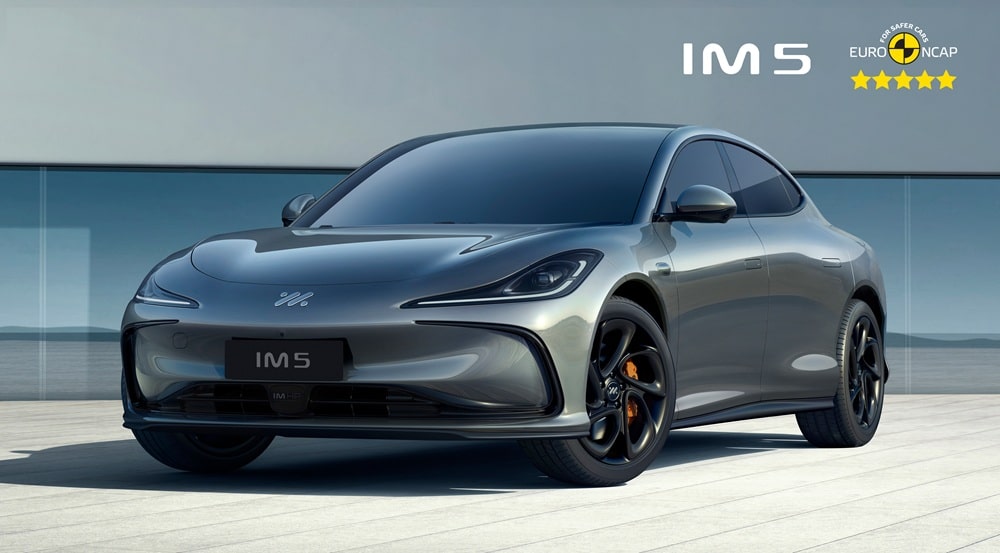
For the local launch, IM Motors will offer the IM5, a 4.93 m electric sedan available in three versions:
- Standard Edition: rear-wheel drive, 295 hp (217 kW)
- Autonomy Edition: propulsion, 408 hp (300 kW), range of 655 km WLTP
- Performance Edition: dual engine, 778 hp (572 kW), acceleration 0-100 km/h in 2.7 s, the most powerful ever sold in Tunisia
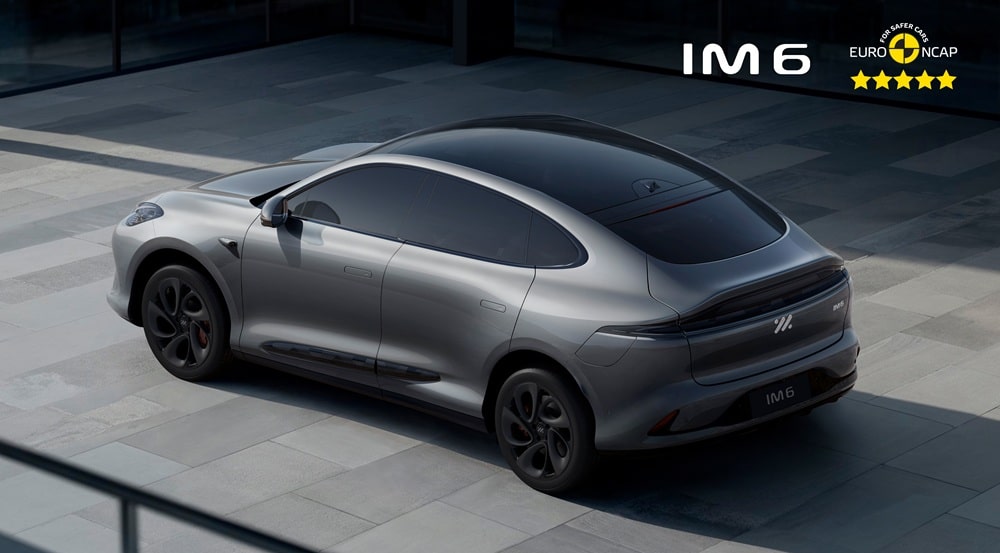
It will be accompanied by the IM6, a premium family SUV, while the LS7 – a large electric SUV sold in Norway – will subsequently serve as a technological showcase. All models rely on energy-dense Nickel-Manganese-Cobalt batteries and support fast charging from 30 to 80% in less than 15 minutes.
Record autonomy to remove the public’s brakes
One of IM Motors’ main arguments is based on ranges greater than 600 km, a decisive advantage for a market still hesitant about electric vehicles. This performance responds to anxiety about autonomy, a major obstacle for Tunisian consumers. The technologies adopted — optimized thermal management, improved efficiency and NMC chemistry — reinforce the reliability and versatility of the vehicles, particularly for long journeys.
The premium bet in a competitive market
IM Motors arrives in a highly contested segment in Tunisia, facing Porsche, BMW, Mercedes-Benz and Tesla. To differentiate itself, the brand relies on:
- more aggressive prices (from 149,000 DT)
- very rich standard equipment
- extensive integration of AI technologies
- reinforced safety (8 airbags, European standards, 5 Euro NCAP stars)
- Alibaba’s digital expertise
This combination gives IM Motors a unique premium-tech positioning in the local landscape.
An expansion strategy that goes beyond Tunisia
IM Motors is gradually rolling out its models in Europe. The brand is already present in the United Kingdom, Norway and Switzerland, before an expected arrival in France in 2026. The French terms have not yet been decided: IM Motors could retain its own identity or be temporarily integrated into the MG range. Tunisia, however, benefits from a privileged status, becoming the first Mediterranean country to welcome IM Motors, whose distribution will be ensured by the Wallys Group in Ain Zaghouan North.
An establishment which confirms Chinese interest in Tunisia
The arrival of IM Motors reflects a broader trend: Tunisia is becoming a strategic market for Chinese electric manufacturers, who are seeking new outlets in the face of growing competition in China. For SAIC, successfully establishing IM Motors in Tunisia represents both a commercial challenge and an international showcase. While the challenge remains significant, the combination of technology, autonomy and competitiveness suggests a major breakthrough in the high-end electric segment.