

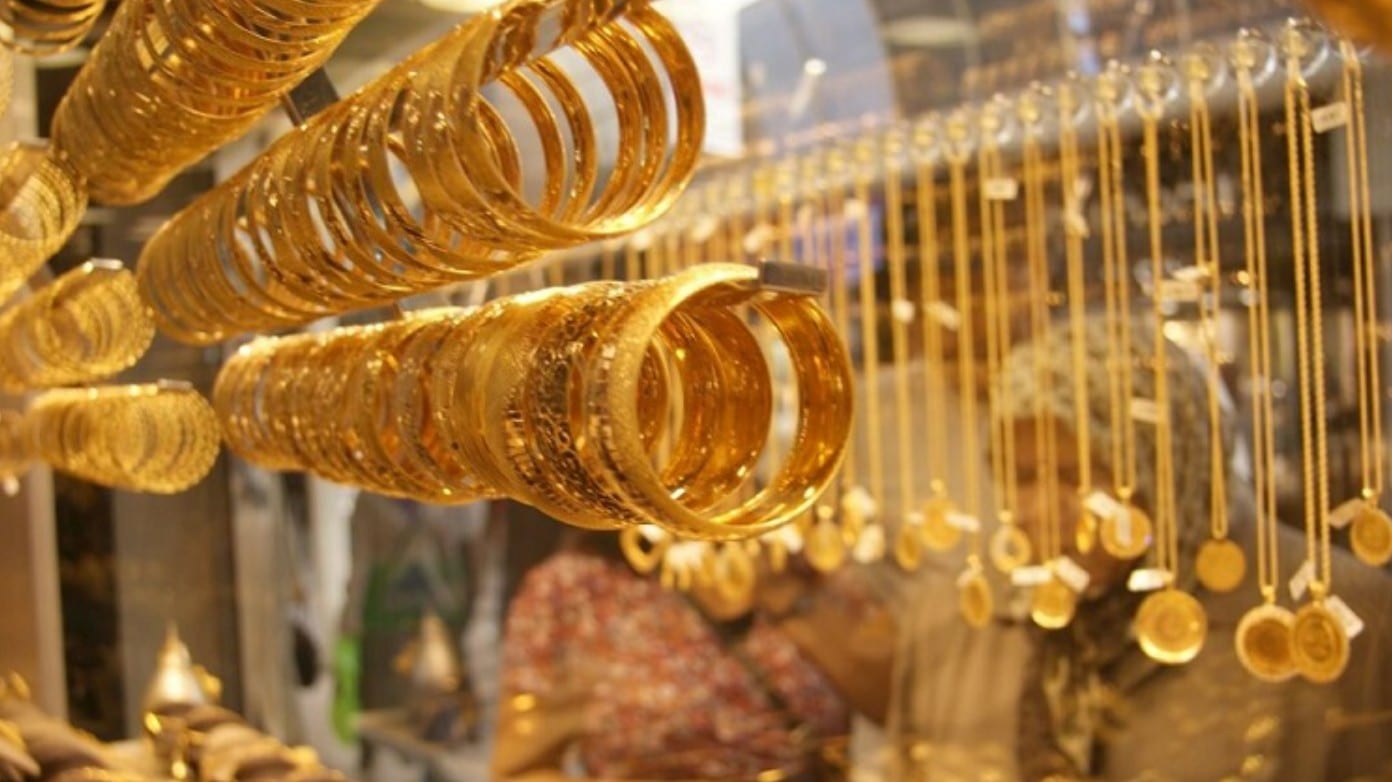
The surge in gold prices shows no signs of slowing down. According to forecasts by Taher Gharbal, president of the Chamber of Gold and Jewelry Traders in Sfax, the price of a gram of gold in Tunisia could reach 500 dinars by 2026, thus continuing an upward dynamic already well established.
In a statement to the media, the professional manager indicated that the yellow metal is currently moving in a range between 380 and 430 dinars per gram, depending on the title and the market. A situation that he describes as transitional, estimating that the coming months will be marked by further increases.
Faced with this trend, Taher Gharbal called on citizens, particularly couples about to get married, to anticipate their purchases of jewelry and adornments. “Current prices remain relatively more advantageous than those expected in the medium term,” he stressed, warning against a gradual but continuous increase in prices.
International context
This surge in prices is mainly explained by the international context. Gold, the ultimate safe haven, benefits from global economic instability, persistent geopolitical tensions and uncertainties linked to the monetary policies of the great powers. The rise in international prices has direct repercussions on the Tunisian market, which is highly dependent on imports and fluctuations in the world market.
Paradoxically, this situation does not benefit professionals in the sector. On the contrary, jewelers and artisans are among the main victims of this unprecedented increase. The high cost of raw materials weighs heavily on demand, reduces margins and slows down sales, in a context where household purchasing power remains under pressure.
Between a safe haven for savers and an increasingly inaccessible consumer product, gold thus crystallizes multiple economic and social issues. If the projections are confirmed, the year 2026 could mark a historic turning point for the gold market in Tunisia, with lasting consequences on consumption habits and the entire sector.