
Tunisia confirms the strategic place of its agriculture on the international scene, driven in particular by the olive and date sectors. During the work of the Saudi-Tunisian Business Forum, the Director General of the Agricultural Investment Promotion Agency (APIA), Engi Degui, highlighted the economic weight of these two sectors and the opportunities they offer to investors.
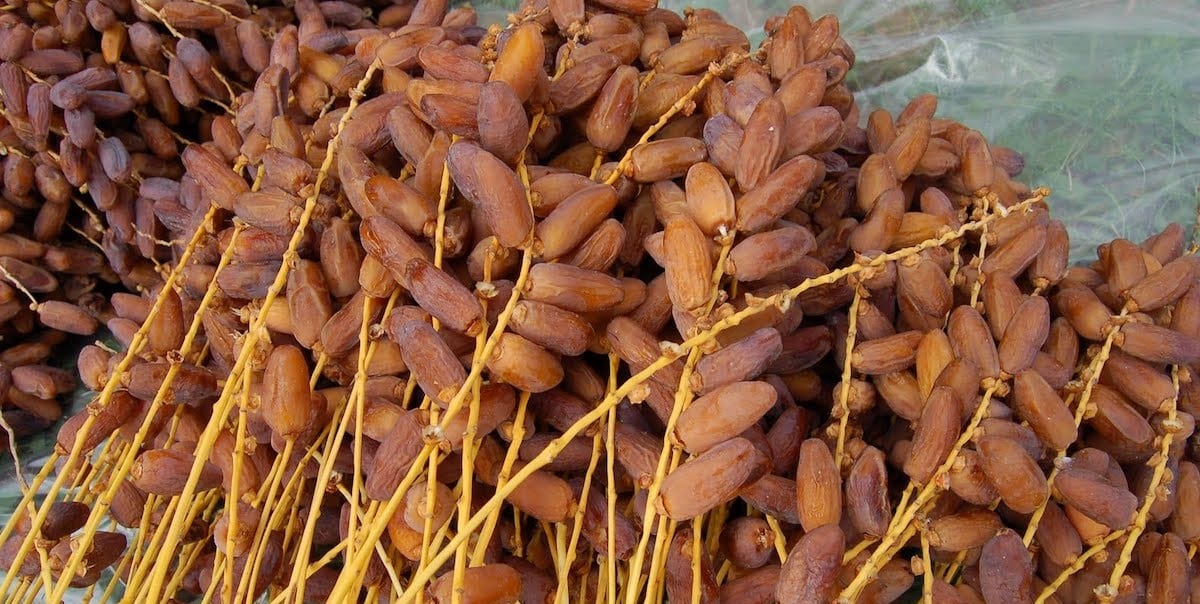
According to the figures presented, 40% of the agricultural area exploited in Tunisia is devoted to olive trees. On a global scale, the country contributes 30% to the production of Deglet Nour variety dates, confirming its leadership in this high value-added segment. Tunisia is also positioned as the second exporter of olives after the European Union and ranks fourth in the world in terms of olive oil production.
The official specified that 70% of Tunisian dates produced are of the Deglet Nour variety and that more than 30% of national production is intended for export. These performances reinforce the attractiveness of the agricultural sector, particularly in a context of seeking sustainable partnerships and upgrading products.
Regarding investment prospects, Engi Degui highlighted that the most promising opportunities in the olive sector concern the packaging of olive oil, the extraction and packaging of organic olive oil, as well as the valorization of by-products and waste from production. This approach is part of a logic of circular economy and sustainability.
Bonuses that can exceed 50 to 60% for certain projects
The Director General of APIA also presented the main advantages provided by the legal framework for investment in Tunisia. The Investment Code provides significant financial and tax incentives, with bonuses that can exceed 50 to 60% for certain projects. These incentives primarily target investments focused on sustainability, the rational management of natural resources, the exploitation of renewable energies, intelligent irrigation, innovative solutions offered by start-ups, as well as ecological agriculture.
Beyond land-based agriculture, investment opportunities in the maritime fishing sector were also highlighted, particularly in the processing and canning activities of tuna and shellfish, sectors with high export potential.
Engi Degui finally insisted on the fact that the Tunisian legal framework aims to encourage sustainable agricultural investments, integrating responsible practices in resource management. She recalled, in this regard, that the Agricultural Investment Promotion Agency constitutes a key player in the ecosystem, recently accredited by the Green Climate Fund, an additional asset for attracting international financing oriented towards the ecological transition.