
The Tunisian automobile market is experiencing a marked acceleration, driven by a surge in sales over the first ten months of 2025. With more than 77,000 vehicles sold, the sector is showing solid growth, stimulated as much by approved dealers as by the spectacular growth of the parallel market.
This dynamic comes as new tax rules for the acquisition of cars have just been adopted in Parliament, reviving debates on access to mobility.
An expanding market driven by two engines
Figures published by the National Chamber of Automobile Dealers and Manufacturers show a market in clear growth: 77,112 vehicles sold between January and October 2025, compared to 64,842 a year earlier.
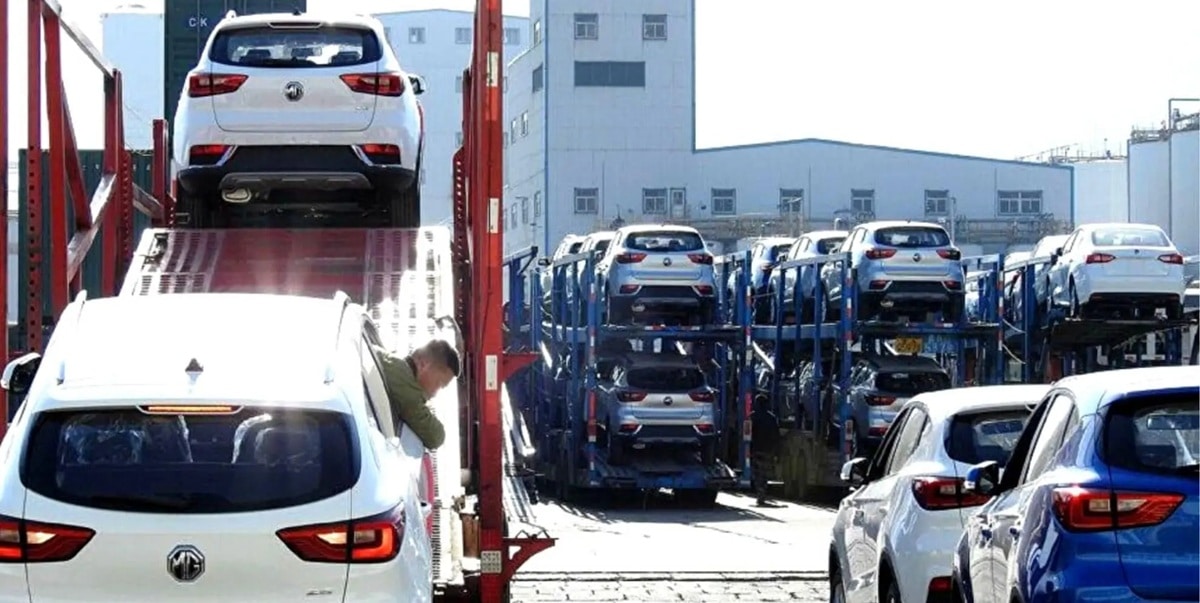
Authorized dealers total 52,371 units, an increase of 12.7%, confirming the recovery in demand in classic segments, in particular light cars dominated by Asian brands which retain the first places.
At the same time, the second-hand market continues its rise and now occupies 28% of sales, with 24,741 units sold, a jump of 34.4%. European brands reign supreme, with a French brand taking the lead with 3,648 vehicles, up 53% compared to 2024.
The dynamism also affects utility vehicles, up 12.8% to reach 38,679 units, as well as popular cars, a segment which is on the rise again with 7,863 sales, driven by a dominant Chinese brand and prices oscillating between 28,935 and 34,876 dinars.
Regulatory impacts that redistribute the cards
The increase in sales occurs in a context of regulatory transformation. The adoption of article 55 of the 2026 finance bill introduces a unique tax advantage intended for resident families wishing to acquire a new or used vehicle.
This system is based on strict conditions:
- capped displacement,
- exemption for electric and hybrid vehicles,
- maximum income set at 10 SMIG (14 for couples),
- maximum age of the vehicle limited to 8 years,
- sales ban for 5 years.
The mechanism relies on donations from Tunisians abroad, tourist bonuses or even authorizations to purchase foreign currencies, but remains contested by the Ministry of Finance, which warns of its effects on tax revenues and the local market.
This development is part of an environment marked by strong demand for personal mobility, fueled by the limits of public transport and the rise of parallel imports.
The Tunisian market remains particularly sensitive to regulatory variations and tax incentives, which directly influence household choices and the positioning of brands, particularly Asian and European.
Read also