
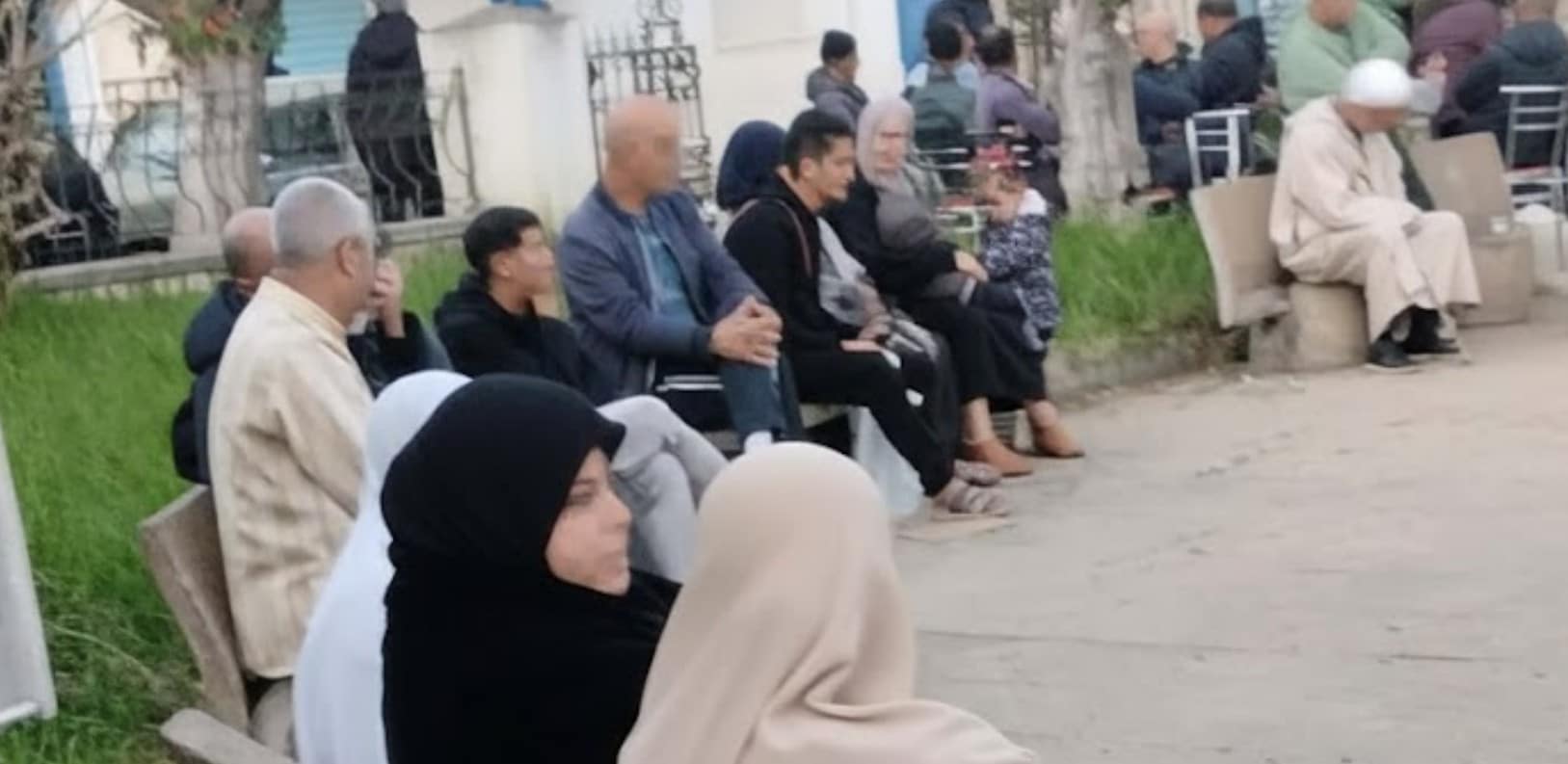
For several days, Tunisian border towns, notably Tabarka, have experienced an unusual influx of Algerian nationals. A phenomenon visible in the streets, around mosques and in parking lots, which raises questions about the real nature of these movements.
Far from the classic image of the tourist, a significant part of these visitors come neither for the beaches nor for the hotels, but to satisfy an administrative condition: to spend seven days abroad in order to benefit from the exchange right of 750 euros granted by the Algerian state.
According to several testimonies collected through social networks, this measure, which replaces a ceiling long limited to around 95 euros, has caused a massive movement towards Tunisia, perceived as the most accessible destination.
However, the objective is not tourism consumption. Once the currencies have been obtained, many beneficiaries return to Algeria to sell them on the parallel market, where their value in Algerian dinars is significantly higher than the official rate.
This dynamic quickly attracted the attention of informal exchange networks. Intermediaries would exploit the loopholes in the system by sending people, often unemployed, to complete the required stay in exchange for a commission, thus transforming the right to exchange into a quasi-organized activity.
A situation which, according to consistent sources, has led the Algerian authorities to strengthen controls and temporarily suspend the granting of foreign currency to certain applicants, while they verify their real eligibility.
These visitors spend little!
On the Tunisian ground, the expected economic benefits remain limited. In Tabarka, several local actors note that these visitors spend little: food brought from Algeria, nights spent in cars, in the open air or sometimes in mosques, and very little use of tourist services. The presence is real, but the consumption is almost non-existent.
In the end, the paradox is twofold. Algeria, which hoped to channel and regulate access to foreign currencies, finds itself confronted with misuse of the system. Tunisia, for its part, is seeing a significant human flow pass through its territory without any tangible economic benefit, transforming certain border towns into simple administrative waiting zones.