

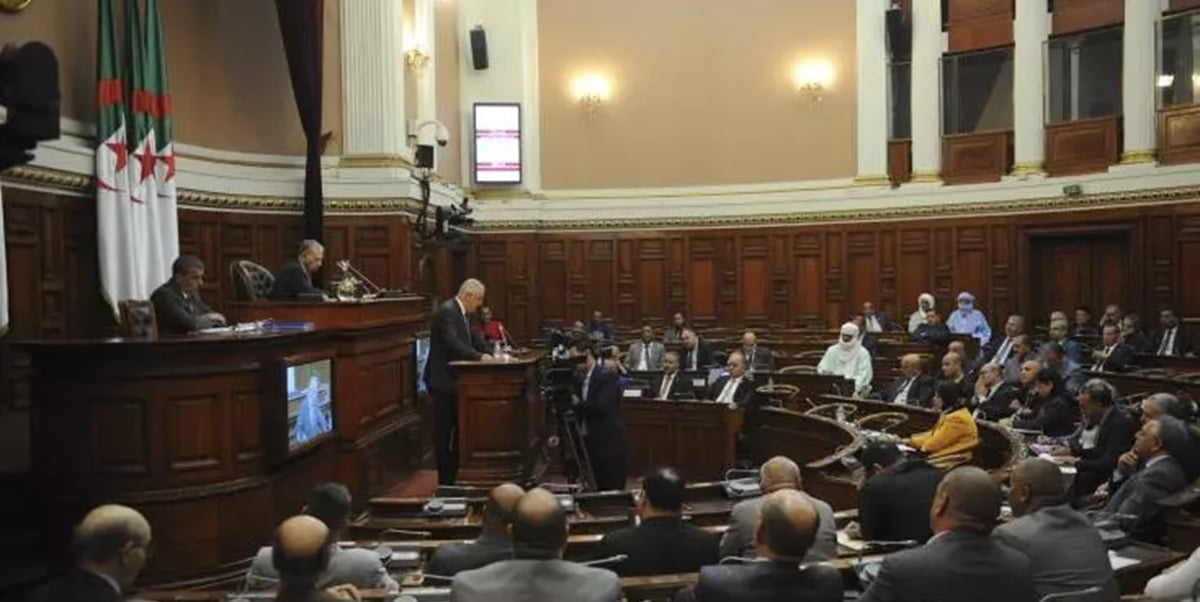
- Algeria demands “apologies” and “reparations” from France for its colonial past
Algeria has reached a symbolic and political milestone by adopting a law qualifying French colonization as an imprescriptible crime. Paris immediately reacted, denouncing an initiative deemed hostile and incompatible with memorial appeasement between the two countries.
The Algerian Parliament unanimously adopted a law criminalizing French colonization as a crime, explicitly incurring the legal responsibility of the French State for acts committed between 1830 and 1962. The text, passed in a solemn climate, calls for an official apology and reparations described as “full” for the benefit of the Algerian State and people.
Standing in the hemicycle, the deputies welcomed the adoption of a long-delayed text, which marks a turning point in the institutional management of colonial memory. The law affirms that the human, economic and social consequences of colonization are a direct historical responsibility of France.
A list of crimes declared imprescriptible
The legislative text lists a series of facts classified as major crimes, including nuclear tests, extrajudicial executions, systematic torture, as well as the plunder of natural resources. These acts are considered not subject to limitation, symbolically opening the way to legal and financial claims.
The law also affirms the principle of a right to compensation for all material and moral damage suffered during the colonial period, placing this claim within a national legal framework.
A past still at the heart of bilateral tensions
The colonization of Algeria, which began in the 19th century, remains a central trauma in Franco-Algerian relations. Historians speak of a conquest marked by massacres, forced displacements and the destruction of entire social structures, followed by a particularly murderous war of independence.
Estimates of the number of victims vary greatly depending on the source, but the memory of this period remains a lasting point of tension between Algiers and Paris.
France reacted quickly to the adoption of this law. The Ministry of Foreign Affairs described the text as a “clearly hostile” initiative, considering that it goes against peaceful dialogue and constructive memorial work between the two countries.
Paris, however, affirms that it maintains its desire to pursue a demanding dialogue with Algiers, particularly on issues deemed to be priorities, such as regional security and migration issues.
Since the submission of the report by historian Benjamin Stora, France has multiplied symbolic gestures, while formally excluding any request for an official apology, a red line that this new Algerian law directly calls into question.