
The sudden entry into force of a new Algerian tax on the fuel consumption of vehicles leaving the territory has caused significant disruptions at border crossings with Tunisia. Hundreds of Tunisian travelers found themselves stranded for long hours, taken by surprise by new and poorly prepared procedures. If the measure falls within a legal budgetary framework, its application has triggered a logistical and human crisis.
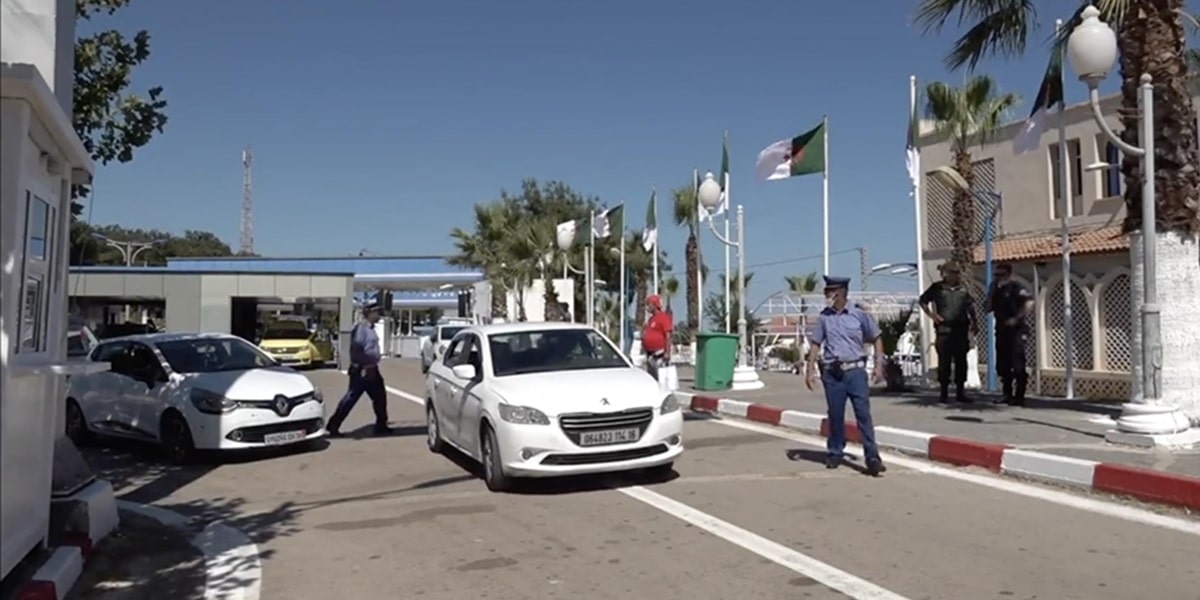
The entry into force of a new tax on the fuel consumption of vehicles leaving Algeria for Tunisia has caused, in recent days, unprecedented chaos at land border crossings linking the two countries. On Sunday, many Tunisian travelers found themselves stranded on the Algerian side, sometimes for long hours, in conditions described as difficult by several observers and civil society actors.
The situation was publicly denounced by the president of the Tunisian Human Rights Observatory, Mostafa Abdelkebir, who alerted to the presence, among the immobilized people, of women, families and travelers suffering from health problems, citing an attack on the dignity of citizens and calling on the authorities of the two countries for urgent intervention.
A tax measure suddenly entered into force
At the origin of this crisis is a provision of the Algerian finance law 2026, which entered into force on January 4, which modifies and strengthens an existing tax on the fuel consumption of vehicles leaving Algerian territory. The stated objective is clear: limit the indirect outflow of heavily subsidized fuel, strengthen border controls and fight against smuggling phenomena.
The tax now applies to all land vehicles – private cars, utility vehicles, trucks and coaches – using border crossings in eastern Algeria towards Tunisia. Its payment is a mandatory prerequisite for obtaining permission to pass.
The real sticking point: the new payment procedure
If the increase in the amounts attracted criticism, the main paralyzing factor was the radical change in payment terms. From now on, the tax can no longer be paid directly at border crossings. Travelers must pay this in advance to the tax office or electronically.
Result: a massive influx to the finance offices, which were quickly saturated, causing endless queues, total disorganization and the impossibility for many travelers to regularize their situation in time.
Customs services are now limited to checking proof of payment, with no possibility of collection on site, which has mechanically blocked traffic at the borders.
Dissuasive and progressive prices
For passenger vehicles, the tax is set according to a progressive scale depending on the number of outings:
- 1000 Algerian dinars for a first outing, or 22,500 Tunisian dinars
- 5000 dinars for a second, or 112,500 dinars
- 10,000 dinars for a third, or 225 dinars
- 25,000 dinars from the fourth, or 560 dinars
Utility vehicles, trucks and coaches are also affected, with higher amounts depending on tonnage, ranging from around 112 Tunisian dinars per rotation for light vehicles to around 270 Tunisian dinars for heavy goods vehicles and buses.
However, certain categories of official or diplomatic vehicles benefit from exemptions, subject to specific conditions.
A legal measure, but management strongly criticized
On a legal level, the measure is based on a clear legal basis and is part of the Algerian strategy of rationalizing subsidies and protecting the internal market. But its sudden entry into force, without a transitional period or operational support system, transformed a tax decision into a border crisis.
This lack of anticipation had immediate consequences on the flow of traffic, but above all on hundreds of travelers trapped in a procedure that they did not master and for which no suitable infrastructure was ready.
Faced with this situation, several voices are calling for better coordination between the Tunisian and Algerian authorities, as well as a rapid and practical clarification of procedures, in order to prevent the border from becoming a permanent point of tension.