

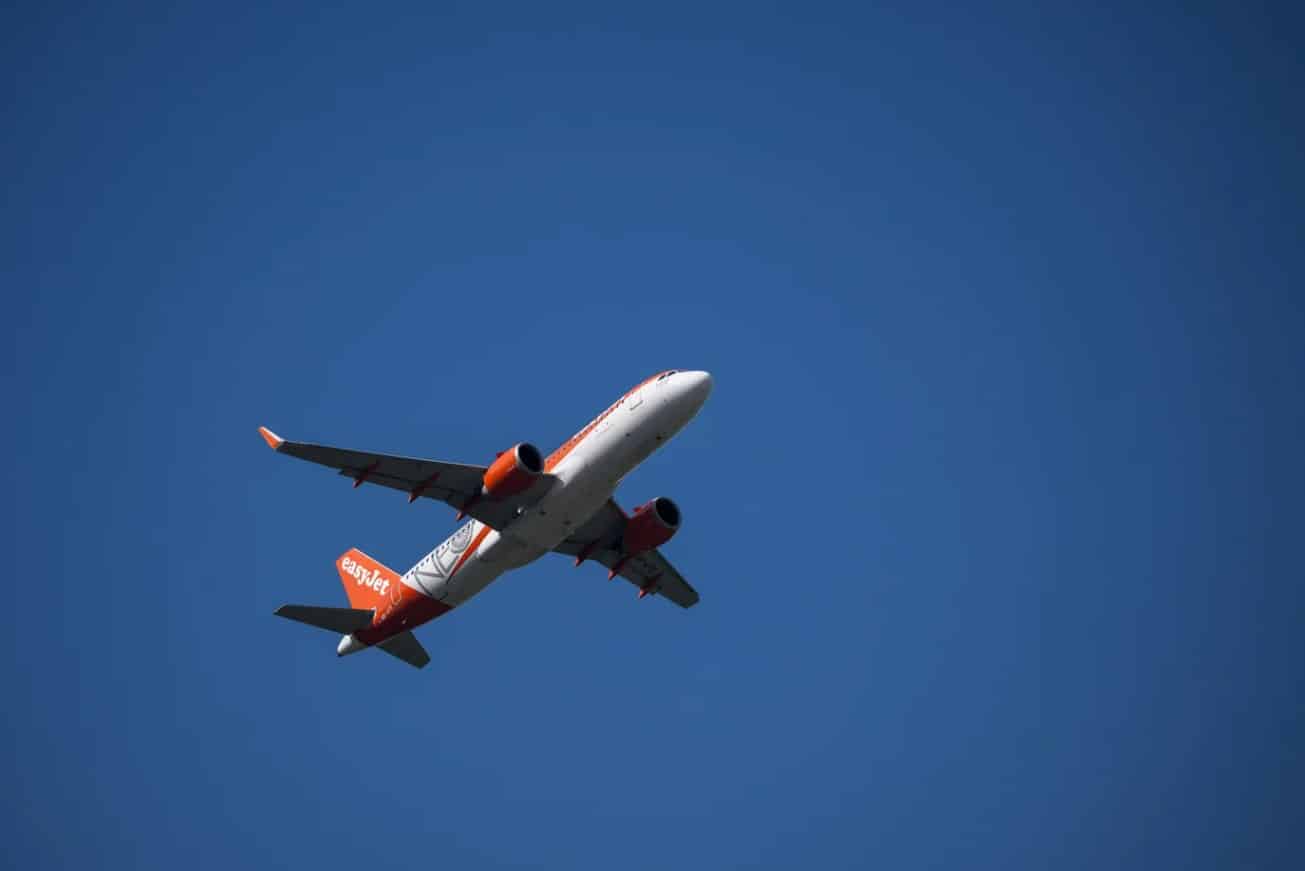
Since the end of November 2025, Airbus has been going through a delicate period marked by two major problems affecting the A320 family: a massive software recall and an industrial defect discovered on fuselage panels. Two distinct alerts, but serious enough to disrupt deliveries, shake the markets and question the solidity of the European aircraft manufacturer’s production chain.
On November 28, 2025, Airbus ordered an urgent update of around 6,000 A320 aircraft after the discovery of a bug affecting the flight control computer (ELAC). This bug, triggered under certain conditions, could alter critical data in flight.
According to Reuters, almost all devices were updated as of December 1, but less than a hundred still required more serious intervention.
An industrial defect on A320s in production
On December 1, Airbus confirmed a new problem: a defect on metal panels on the fuselage of the A320 family, affecting several dozen aircraft in production. Devices already in service are not affected, but these defects cause additional delays in deliveries.
This announcement caused a fall of around 10% in Airbus shares, a sign of persistent concern around quality and industrial control.
Airbus was already struggling to keep up its pace because of delays in the supply chain: engines late, lack of components, aircraft waiting for equipment. In November, only 72 aircraft were delivered, an insufficient level to hope to reach the 820 aircraft planned for 2025.
Tunisair and Nouvelair: impact on Tunisian companies
The Airbus recall also concerns Tunisian companies operating A320s. Tunisair assured, in a press release dated November 29, that its fleet was “fully operational” after the application of the recommended software update. The company specifies that the technical intervention was carried out “quickly, efficiently and professionally”.
Tunisair did not, however, detail the exact number of aircraft affected, which leaves a gray area on the real extent of the impact.
Nouvelair also operates A320s, including one recently integrated into its fleet. The company is therefore directly exposed to the software recall.