
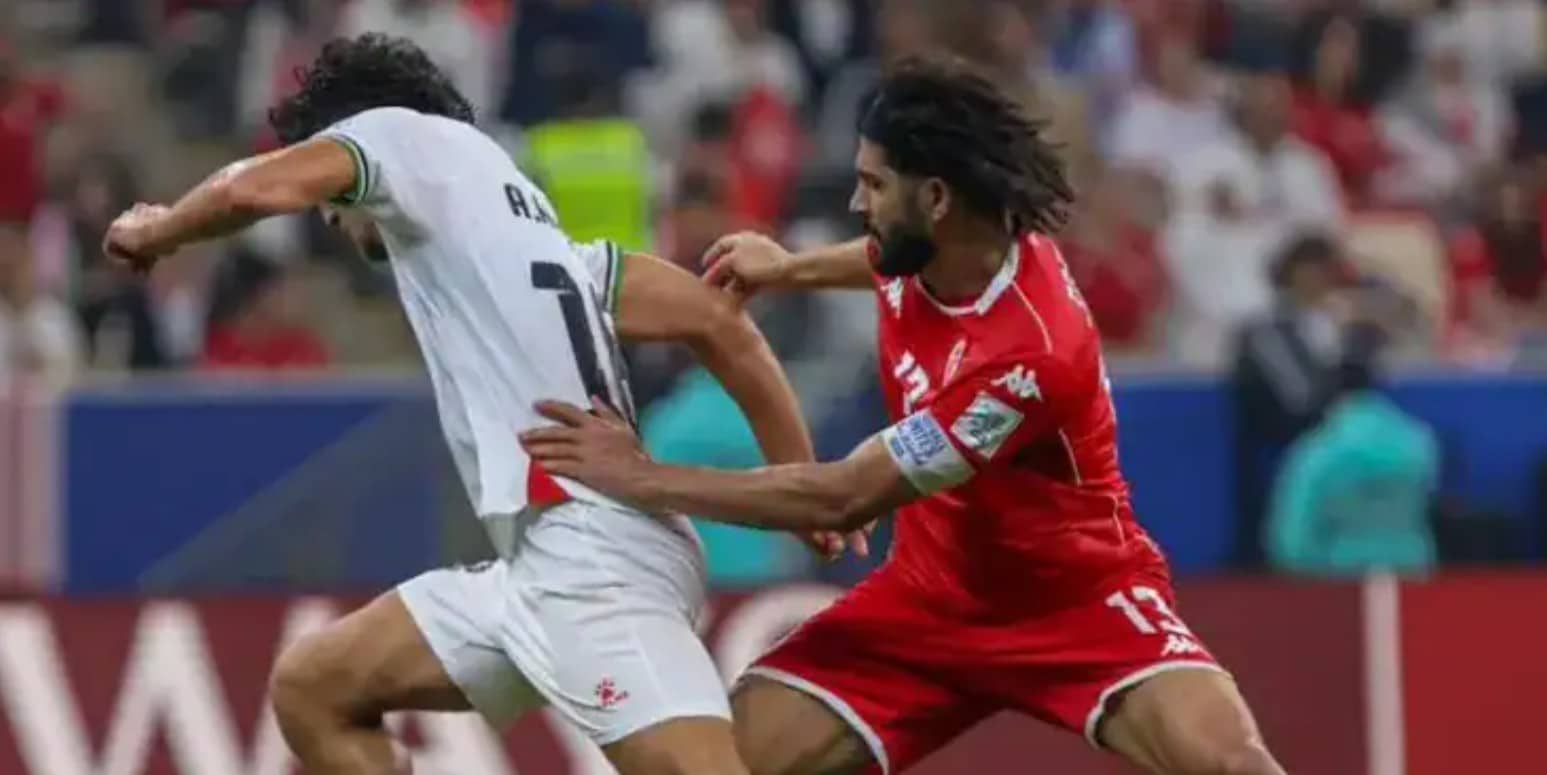
The draw between Palestine and Syria, synonymous with qualification for the quarter-finals and the elimination of Tunisia, could have been just one sporting episode among others. But the meeting opened a breach into which frustrations, anger and accusations of lack of fair play poured in. On Tunisian social networks, the storm did not take long. The criticism, sometimes virulent, targeted the posture of the Palestinian selection, accused of having lacked loyalty towards a country whose political solidarity with Gaza is nevertheless beyond doubt.
This gap between diplomacy and football is not new: the field is never completely watertight. However, the emotion aroused by this match underlines the extent to which football, especially in a regional and identity context, can become a receptacle into which hopes, disappointments and visions of the world are poured.
It must be said clearly: sport is not beholden to the political positions of a country. A national team, whatever it may be, plays first for itself, for a ranking, for a passage to the next round. Expecting a player to translate on the pitch the gratitude due to a friendly nation is to project onto football a symbolic charge that it never claimed to carry. Palestine did not betray Tunisia. She played an international competitive match, with its own set of requirements.
This does not mean that everything is perfect or that questions about the progress of the meeting are not justified. Fair play, when called into question, always deserves debate. But to reduce this matter to a political affront, to a lack of recognition or to ingratitude is to cross a dangerous line. Because then, it is no longer eleven players running behind a ball, but representations of identity which clash.
A sporting result above all
This affair above all reveals another reality: Tunisia is going through a period where football remains one of the rare collective outlets. Defeat or elimination becomes a magnifying mirror of our frustrations. The immediate recourse to political interpretation is the symptom of a deeper tension.
Let us remember that Tunisian support for Gaza is neither conditional nor dependent on a sporting result. It is a choice of values, a historical positioning and a humanitarian duty. Football responds to a logic of competition, not that of international relations.
It would therefore be beneficial to dissociate the two. Not to ask sport to endorse diplomacy, nor for diplomacy to be measured in goals. Because when the ball becomes a political instrument, everyone loses: the players, the supporters and, beyond that, the very idea of sport as a space where, despite tensions, there still remains a little play and the unexpected.
The elimination of Tunisia must be analyzed for what it is: a sporting result. The rest comes from projections, passions, and sometimes excesses which serve neither football nor the cause we seek to defend.
Read also: Arab Cup: Tunisia eliminated despite 3-0 inflicted on Qatar