
The Gabès court has decided to once again postpone the summary examination of the procedure aimed at suspending the polluting activities of the Tunisian chemical group. The hearing is now set for January 22. This new postponement, the fifth, comes in a context of strong social tension marked by repeated health incidents and increasing exasperation of the population.
A fifth postponement which prolongs the wait
The legal case aimed at shutting down the most polluting industrial units of the Tunisian Chemical Group (GCT) continues to get bogged down. The Gabès court decided to postpone the examination of the case for summary proceedings until January 22, according to statements by Mounir Adouni, president of the regional order of lawyers, on Mosaique FM.
This is the fifth consecutive postponement in this procedure introduced to obtain the suspension of installations accused of seriously harming public health and the environment in the region.
The court chose to broaden the scope of the case by including the Ministry of the Environment, the National Environmental Protection Agency and the Ministry of Health. It also required the production of new documents and technical elements.
A decision which, if it officially aims to complete the investigation of the file, is perceived by many observers as an additional slowing factor in a case already marked by a succession of referrals.
A region under health pressure
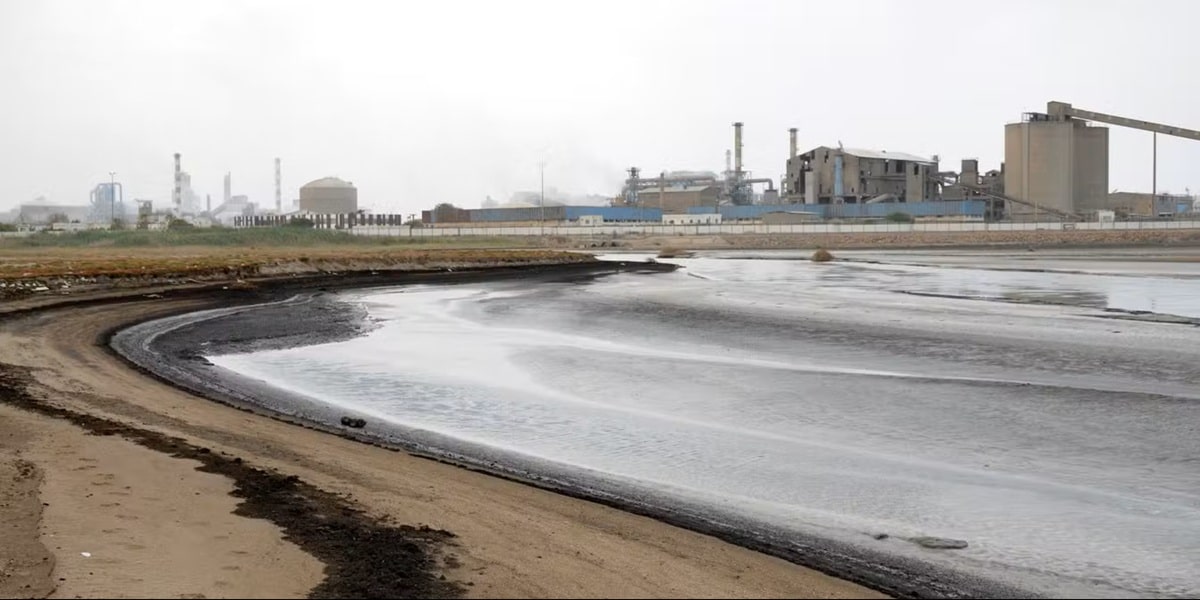
This new legal episode comes as the population of Gabès faces an increase in health incidents attributed to industrial fumes from the chemical complex. In recent weeks, several schools have been affected by cases of discomfort, asphyxia and respiratory problems, sometimes accompanied by headaches and nausea, requiring medical interventions.
For residents, these episodes are only the visible part of a chronic environmental crisis that has lasted for years.
At each hearing, citizens, community activists and lawyers mobilize to denounce what they consider to be excessive slowness of justice in the face of a situation deemed urgent. During previous sessions, dozens of demonstrators gathered in front of the court to demand concrete and immediate decisions.
Beyond the shutdown of the incriminated units, the demands now concern the dismantling of the most polluting installations and the recognition of the population’s right to a healthy environment.
For many local stakeholders, the GCT case today goes beyond the framework of a simple legal dispute. It has become the symbol of a standoff between an environmentally devastated region and a system accused of procrastination, even though industrial pollution in Gabès has been documented for decades and structural solutions are slow to materialize.