
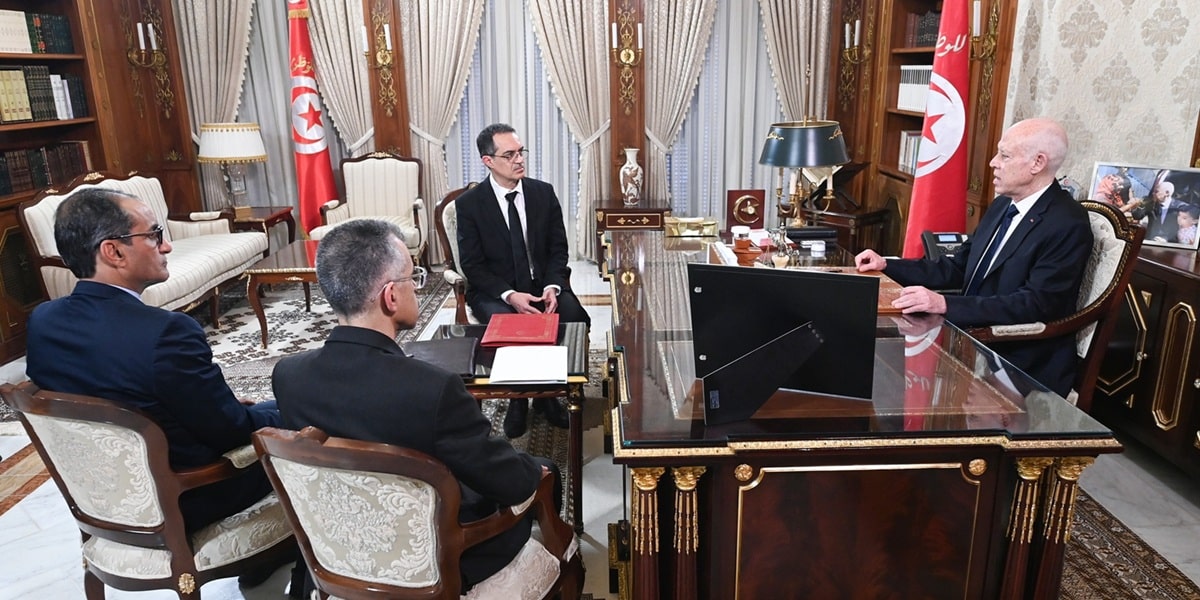
While receiving officials from the agricultural sector on Monday, December 29 at the Palace of Carthage, President Kaïs Saïed delivered a speech with a more concrete tone than usual. If agriculture remains, according to him, a pillar of national security, emphasis was placed on a specific weakness: the persistent insufficiency of olive oil storage capacity, despite a harvest announced as exceptional after several years of drought.
The Head of State estimated that the increase recorded between the previous season and the current season remains “limited” and does not meet the real needs of the market. A rare recognition, which shifts the debate from the political arena to that of logistical and structural constraints, while small producers struggle to sell their production under conditions deemed fair.
Support shown for small producers
Kaïs Saïed called for the obstacles faced by small farmers to be quickly removed, from harvesting and crushing to marketing, in Tunisia and for export. He recalled the central role of public offices, notably the National Oil Office, in regulating the market, while denouncing speculative practices and attempts at monopolization.
In the same spirit, the president spoke of the need to renew the national livestock and preserve Tunisian seeds, in order to limit any external dependence. A way of broadening the notion of agricultural sovereignty beyond the sole question of produced volumes, to include it in a more global reflection on the means and structural choices of the State.
Also read: