
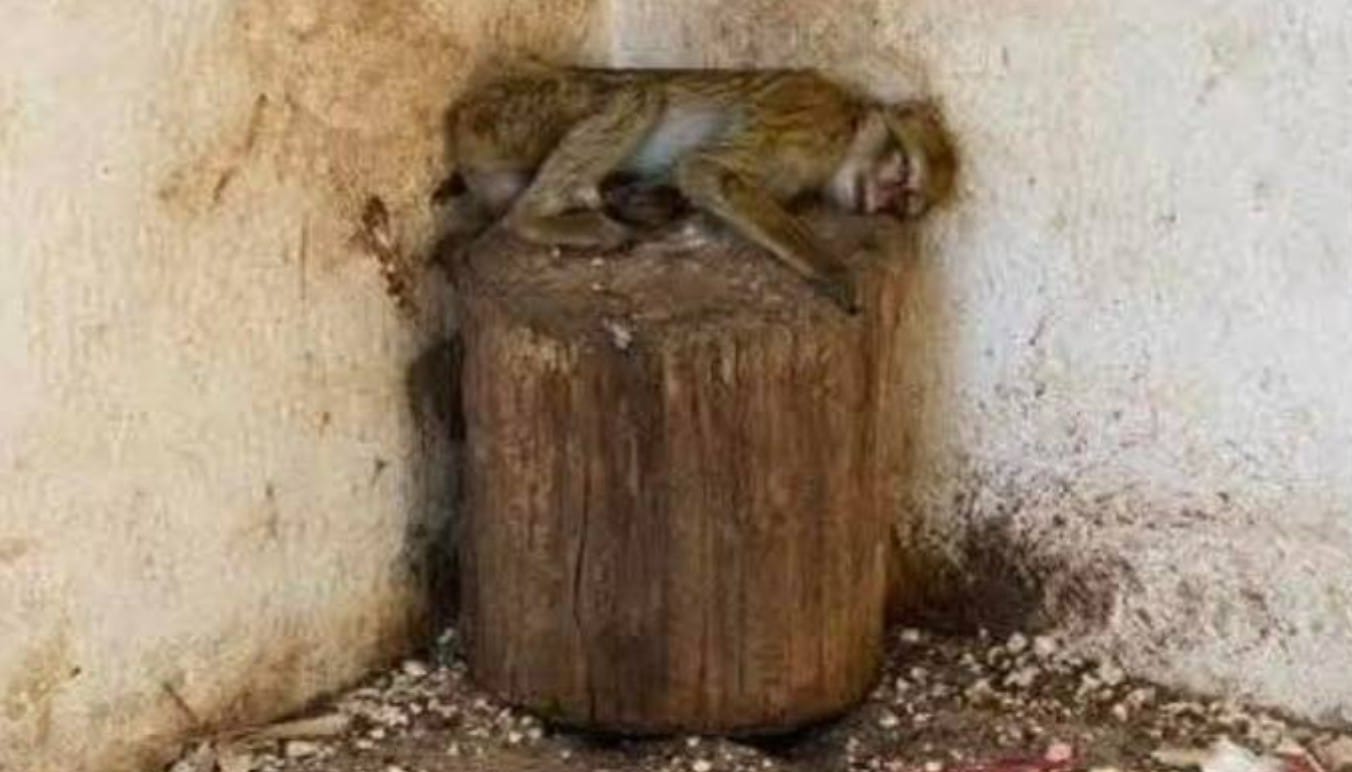
The situation of the Gafsa zoological garden causes great concern, after the publication of a report on a French amateur site evoking a state deemed “catastrophic” of the animals housed on the site. The document, written by an environmental activist, paints an alarming picture of living conditions within this Tunisian public structure.
According to the report, several animals appear emaciated, suffering from hunger, thirst and a total lack of veterinary care. The author denounces a clear lack of monitoring and care, asserting that certain animals are left to their own devices, in a degraded environment unsuitable for their biological needs. Primates, in particular, would be affected by disorders considered forms of psychological distress, linked to isolation and prolonged confinement.
The report does not hesitate to use a harsh tone to describe the situation, evoking creatures deprived of their natural environment and their freedom. He speaks of a “shocking” and “intolerable” reality, calling into question human responsibility for the suffering inflicted on these animals.
Faced with this observation, an urgent appeal was launched to save the animals at the Gafsa zoo. The report calls for collective mobilization through the circulation of a petition and contact with major international animal protection organizations, in order to exert sufficient pressure to provoke rapid intervention.
Need to act before it is too late
“We cannot wait for those responsible for this place to change the fate of these animals themselves,” underlines the text, insisting on the need to act before it is too late, particularly for the most vulnerable species. Animals are described as “silent victims”, incapable of making their suffering heard.
This mobilization already seems to be finding an echo. Nearly 14,000 signatures were collected online in support of a petition for urgent intervention to save the zoo and improve the living conditions of the animals kept there.
At the same time, several videos circulating recently on social networks show animals in a worrying state inside the zoo, fueling indignation and reigniting the debate on the management of zoological parks in Tunisia, their compliance with international standards and the responsibility of local authorities.
This case brings to the forefront the question of animal protection and the need for rigorous control of structures supposed to guarantee the well-being of wild species, in a country where this subject still remains largely marginal in the public debate.