
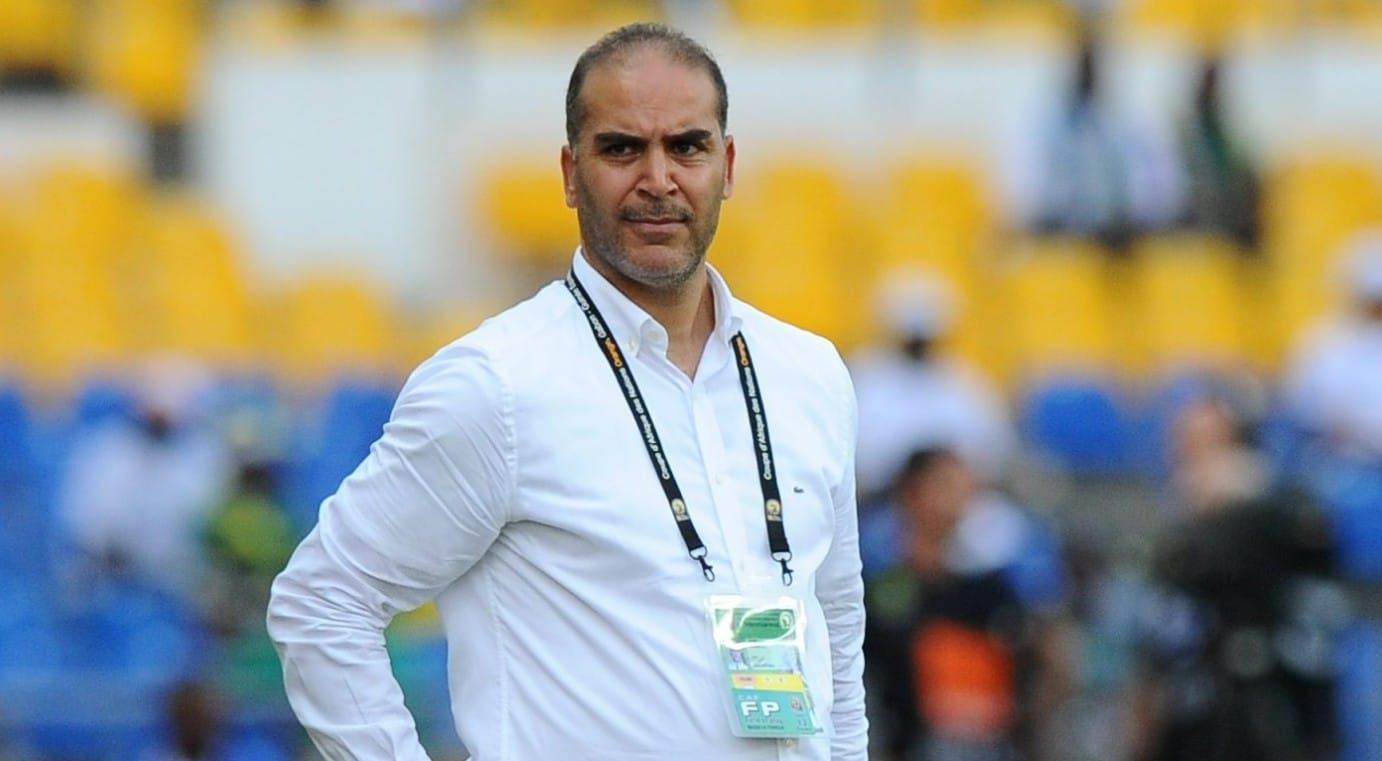
The defeat of the Tunisian selection against Nigeria provoked a strong reaction in the national sporting landscape, particularly television sets. Beyond the result, it is above all the tactical choices and the management of the match by the national coach, Sami Trabelsi, which find themselves at the center of a storm of criticism coming from both observers and supporters.
From the kick-off, the starting line-up caused incomprehension. The option of a plan considered prudent, combined with the alignment of players lacking rhythm or not very complementary, quickly showed its limits against a Nigerian team that was athletic, organized and capable of imposing high pressure. Tunisia struggled to build the game, displaying recurring difficulties in restarting and a glaring deficit in the offensive transition.
The management of the Nigerian highlight was also singled out. After the opponent opened the score, the national team seemed to lack immediate tactical reaction. The changes made by the technical staff came late, without any real rebalancing of the midfield or clear adjustment to contain the rapid projections of the Super Eagles. For many analysts, this inertia made it easier for Nigeria to control the match.
On an individual level, certain choices continue to fuel controversy. The absence or benching of players considered to be in better shape, as well as the persistence in trusting profiles in difficulty during recent outings, reinforce the feeling of a lack of objective reading of the state of the group. This situation revives the debate on competition within the workforce and on the real selection criteria.
Lack of tactical audacity
On social networks, the reaction was immediate and virulent. Critics targeting Sami Trabelsi have multiplied, accusing the coach of a lack of tactical audacity and approximate management of weak times. If some call for patience and recall the context of reconstruction of the national team, others believe that this defeat highlights structural limits in the current technical approach.
In the post-match conference, Sami Trabelsi defended his choices, citing individual errors and the lack of offensive efficiency. A justification which, however, struggles to convince public opinion focused on the absence of a readable game plan and on the team’s inability to adapt to the scenario of the meeting.
This defeat against Nigeria could thus mark a turning point. Beyond the result, it acutely raises the question of the game project, the management of the group and the capacity of the technical staff to learn the necessary lessons. In the short term, the pressure on the coach promises to be strong, while the next deadlines will be decisive in restoring confidence around the Eagles of Carthage.