

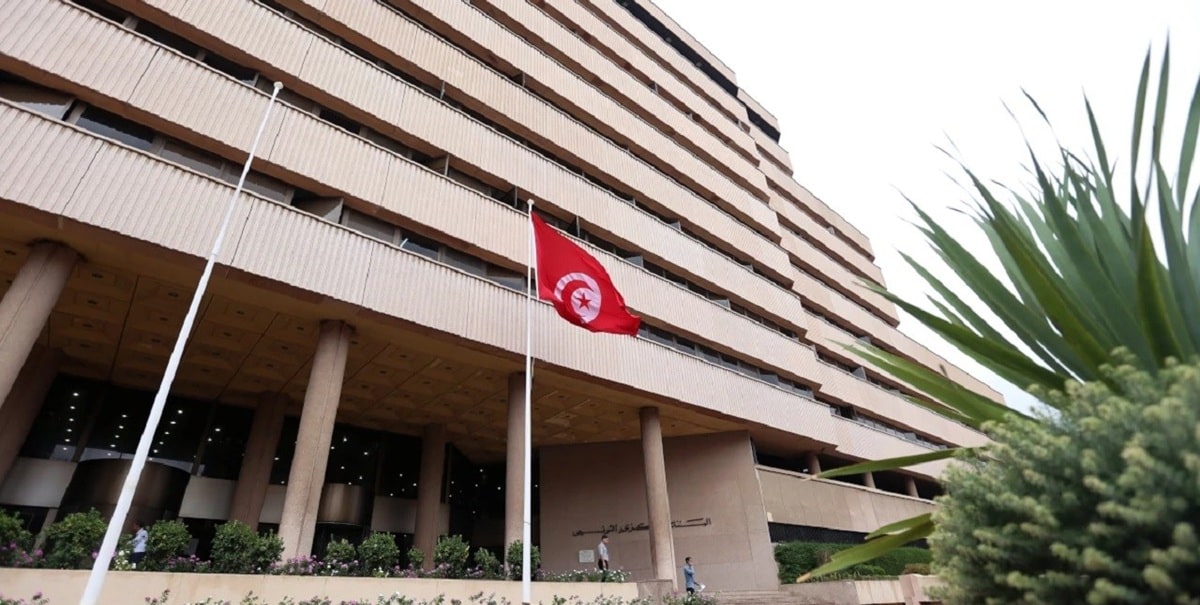
The monetary and financial indicators published by the Central Bank of Tunisia (BCT) on December 26, 2025 show a notable improvement in certain external balances, in an economic context still marked by strong budgetary and monetary constraints.
According to official data, cumulative external debt services fell by 13.8% between 2024 and 2025, to stand at 12 billion dinars as of December 20, compared to 14 billion dinars a year earlier. This development reflects a relative reduction in the pressure exerted by debt service on the country’s external finances, reports the TAP agency.
At the same time, the main sources of currencies continued their upward momentum. Cumulative labor income increased by 6%, reaching 8.4 billion dinars, while tourism receipts increased by 6.3% to around 7.9 billion dinars over the same period. Since the start of the year and until December 20, 2025, all of these revenues have covered external debt services to the tune of 135.9%.
This hedging capacity contributed to the stabilization of net foreign currency assets, maintained at a level of 25 billion dinars, corresponding to 108 days of imports. A threshold considered relatively comfortable by international standards, even if it remains sensitive to external shocks and market fluctuations.
Contraction in the overall volume of bank refinancing
On the monetary level, the BCT also notes a contraction in the overall volume of bank refinancing, falling from 12.1 billion dinars at the end of December 2024 to 10.4 billion dinars at the same period of 2025. This drop can be interpreted as a sign of an improvement in bank liquidity or a controlled tightening of central bank intervention.
On the other hand, interbank exchanges recorded a slight increase of 4%, reaching 3.7 billion dinars against 3.5 billion dinars a year earlier, reflecting relatively stable activity on the money market.
Another indicator attracts attention: the sharp increase in fiat currency in circulation. Banknotes and coins increased by 19% to reach 26.5 billion dinars. This development fuels questions about the scale of the informal economy and the persistent preference for cash, despite the efforts made in terms of electronic payment.
Overall, these figures confirm a gradual improvement in external financial balances, driven by foreign exchange earnings, while highlighting persistent structural challenges, particularly in terms of monetary circulation and the depth of the financial market.