
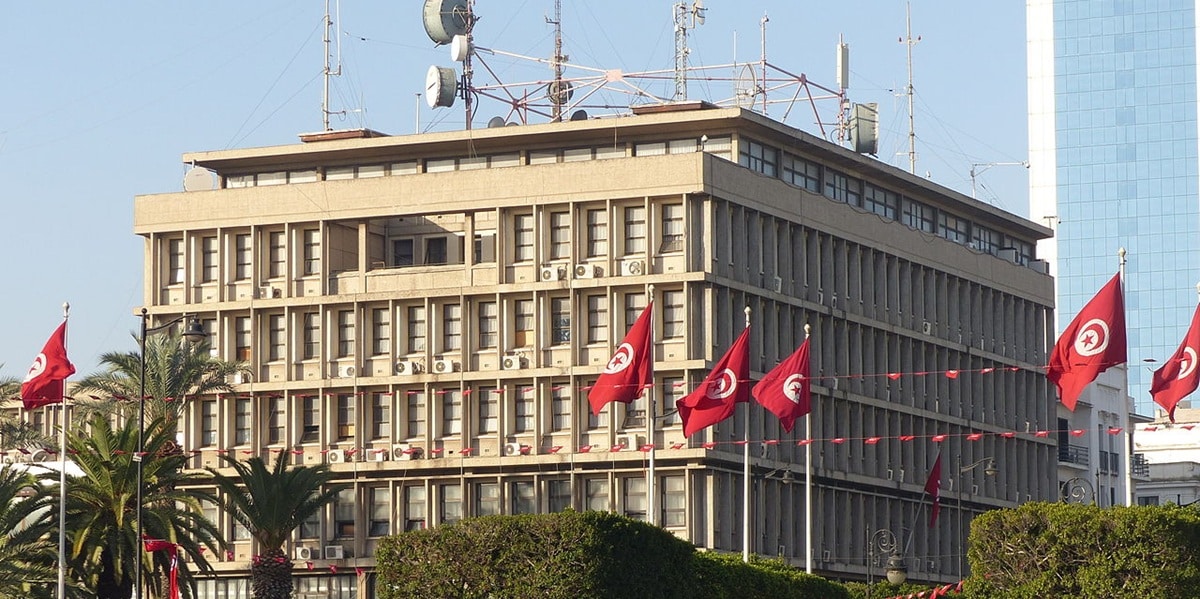
Justice continues to examine the so-called “dark room” case at the Ministry of the Interior. The criminal chamber of the Tunis Court of Appeal decided to postpone the hearing, responding to requests from the defense and the absence of several accused.
The criminal chamber of the Tunis Court of Appeal ruled on the timetable of the case known as the “dark chamber”. During the hearing held on Tuesday, the court decided to postpone the examination of the file until January 6. This decision comes in a procedural context marked by requests from the defense and failures in the appearance of the accused.
During the hearing, the defendants’ lawyers requested a postponement in order to have the necessary time to prepare their defenses. The pleadings highlighted the complexity of the case and the need for additional time to examine all the elements submitted to the legal debate.
Defendants absent during the hearing
It also emerged that several defendants referred in this case had not appeared in court. This situation weighed on the decision of the criminal chamber, keen to guarantee respect for the rights of the defense and the principle of adversarial proceedings.
At the end of the deliberations, the court decided to postpone the hearing until January 6, granting the defense’s request and aiming to allow the appearance of all the accused involved in this case. This referral marks a new procedural step in a case closely followed, due to its institutional and judicial sensitivity.
A case linked to the discovery of sensitive documents
The “dark room” affair originated in the discovery, in 2013, of a large batch of documents stored in a sealed office at the Ministry of the Interior. The documents have been at the center of ongoing legal and political tensions, with some lawyers and victims’ families saying they contain key material regarding sensitive cases.
The case had already reached a crucial stage last May: the Criminal Chamber of the Ariana Court of First Instance had sentenced eight defendants – including former security executives – to eight years in prison, with immediate execution of the sentences for three of them on the run.
The charges related to the manipulation of evidence — appropriation, concealment, destruction or modification of court documents — as well as the falsification of public archives entrusted to state agents.
Pressures around the issue and historical implications
The case is closely linked to the investigations into the assassinations of political figures Chokri Belaïd and Mohamed Brahmi, which had a profound impact on the Tunisian political scene. Lawyers for the families of the two victims insisted that the documents seized in the “dark room” be fully examined, believing that they could contain significant elements concerning these unresolved cases.
The defense, for its part, calls for the lifting of the seal imposed on this chamber and the declassification of documents, which it considers essential for the progress of the case. She denounces what she describes as “persistent protection” of a parallel structure within the institutions, likely to have obstructed the light on political crimes.
Read also