
The decision of the Algerian authorities to increase the annual tourist allowance, raised to around 750 euros per adult, has produced tangible effects beyond the Algerian borders. Tunisia is among the main beneficiaries of this measure, which has helped to revitalize tourist flows and spending by Algerian visitors.
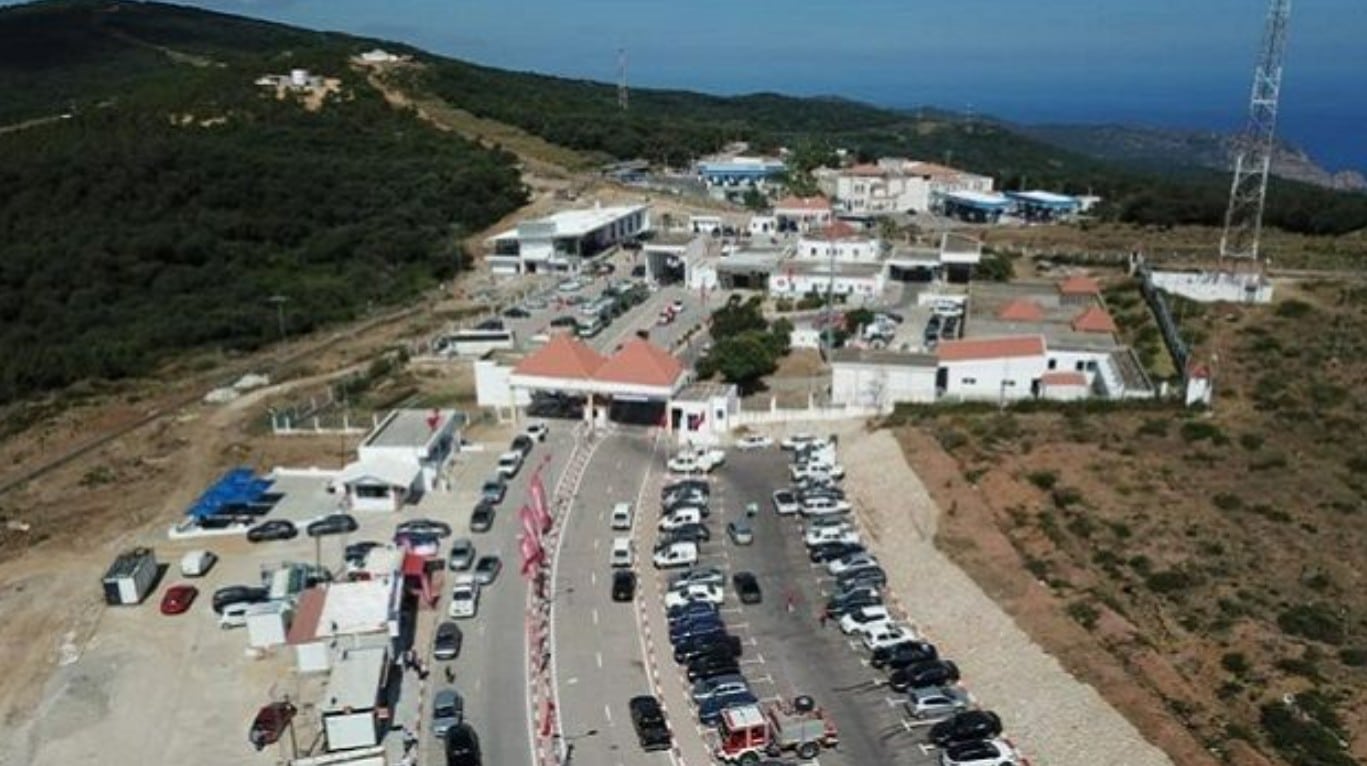
A local destination, accessible without a visa and at costs generally compatible with the allowance ceiling, Tunisia has established itself as a natural choice for many Algerian travelers. Land border crossings in the West and North-West recorded a record increase in entries, particularly during holiday periods and end-of-year celebrations and especially in the governorate of Jendouba. In Tunis also the presence of Algerian tourists is noted in an exceptional manner for this year.
This revaluation of the exchange rate had a direct effect on the behavior of Algerian tourists. Higher spending power has favored longer stays and a return to hotel accommodation, catering, domestic transport and leisure. In several regions, particularly border areas and certain coastal towns, Algerian customers have once again become an essential driver of economic activity.
Beyond the tourism sector in the strict sense, the benefits have extended to commerce and services. Purchases of consumer goods, attendance at private clinics, seasonal rentals and consumption in local markets have benefited from this dynamic, contributing to increased circulation of liquidity in the national economy.
Foreign currency requirement
In a context marked by pressure on public finances and the need for foreign currency, this development constituted a significant contribution for Tunisia. Even if expenditures are made in dinars, their origin in legally obtained currencies indirectly strengthens external revenues and supports the balance of payments.
This positive impact, however, remains conditional on several factors, including the quality of reception, fluidity at borders and price control. Any deterioration of these elements could attenuate the benefits observed.
The revaluation of the Algerian tourist allocation thus illustrates the economic interdependence between the two countries. For Tunisia, it acted as a cyclical lever for tourism recovery, confirming the strategic role of the Algerian market in the balance of the sector.