

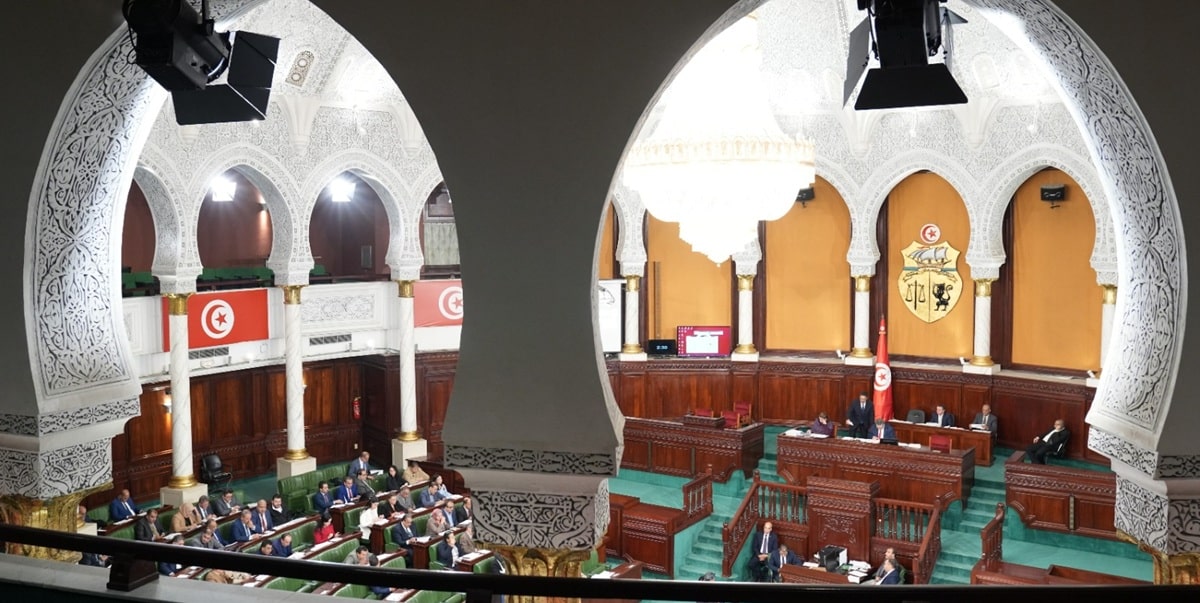
At the end of a plenary session marked by intense discussions, the deputies approved the 2026 Finance Law as a whole as well as the article introducing a wealth tax. A vote which confirms the government’s fiscal orientation and revives the debate around tax justice.
Global adoption after a long parliamentary marathon
Meeting in plenary session, the deputies approved the Finance Law for the 2026 financial year with 89 votes for, 23 against and 12 abstentions. The vote devotes several days of deliberations and amendments, closing one of the most important legislative projects of the session.
In the process, elected officials also validated article 50 of the project, after a second presentation by the Minister of Finance, Michkat Slama, who returned the text to its initial version. The article was adopted by 72 votes for, 14 against and 16 abstentions, even though it had been rejected in committee.
The wealth tax, a new cornerstone of tax reform
Included in the chapter dedicated to tax reform and the digitalization of public services, article 50 repeals article 23 of Decree-Law No. 79 of 2022. The measure introduces a wealth tax, applicable to income derived from real estate and movable property held by individuals, including those belonging to their dependent minor children.
This tax is divided into two sections:
- 0.5% for assets valued between 3 and 5 million dinars,
- 1% for assets exceeding 5 million dinars.
The system covers property located in Tunisia, regardless of the taxpayer’s place of residence, as well as property held in Tunisia or abroad if the taxpayer is considered a tax resident.
A broad scope but with exemptions
The tax applies to all real estate and personal property, with the exception of a set of assets deemed essential or not representative of a high contributory capacity.
Are excluded:
- the main residence,
- goods used for professional purposes,
- the business assets operated,
- non-utility vehicles whose taxable power does not exceed 12 horsepower.
These developments aim to target the highest assets while preserving economic activity tools and essential family assets.
Political debates still lively around tax justice
The adoption of the measure comes in a climate marked by persistent differences between parliamentary groups. For its defenders, the wealth tax constitutes an instrument of fiscal rebalancing, making it possible to mobilize new resources without burdening the middle classes.
Its opponents, on the contrary, denounce a risk of erosion of private investment, believing that the measure could discourage some capital holders.
This vote comes as public finances seek to stabilize after several years marked by rising debt, shrinking fiscal space and the urgency of new reforms.
Article 50, already rejected in committee, illustrates the sensitivity of the tax debate in a context where the modernization of the administration and the mobilization of revenue represent national priorities.
Read also