
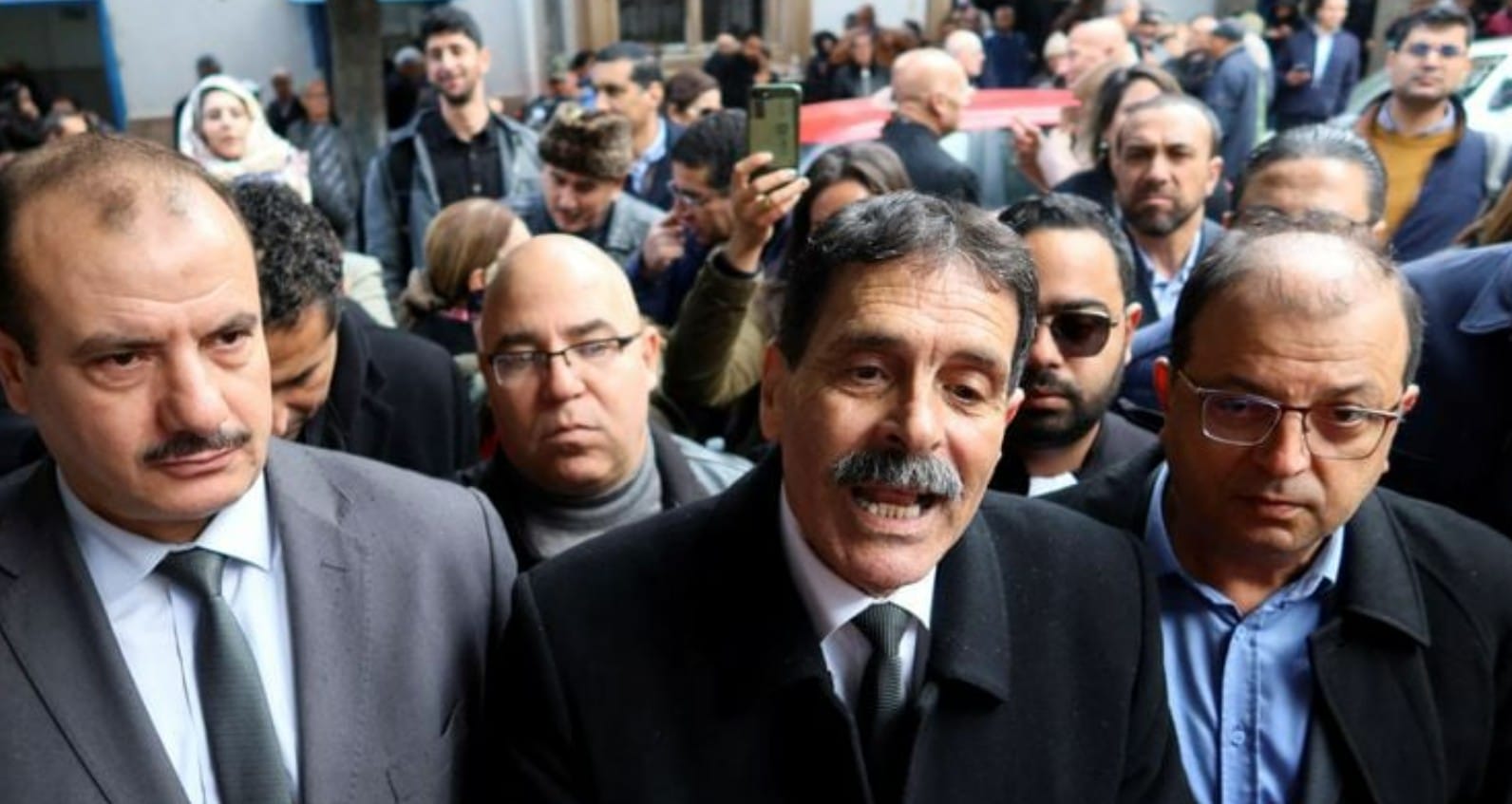
The American daily New York Times devoted a long article in the case of Ayachi Hammami, opposition figure and lawyer specializing in human rights, arrested Tuesday at his home near Tunis. The newspaper places this arrest in what it describes as a political hardening in Tunisia, a point of view relayed by several international organizations.
According to Human Rights Watch, cited by the New York Times, Ayachi Hammami was arrested after the confirmation on appeal last week of a five-year prison sentence. This is part of a vast case of around forty defendants prosecuted for membership in a terrorist organization and conspiracy against state security. The convictions handed down on appeal reach, for certain defendants, up to 45 years of imprisonment.
In the video he had prepared before his arrest, published on his Facebook page, Ayachi Hammami describes his conviction as a political decision and announces that he will begin a hunger strike.
The file, opened in 2023, concerns political figures, lawyers, activists and journalists. Human Rights Watch affirms that the charges are unfounded and is concerned about judicial manipulation. The American daily also quotes an analyst from the International Crisis Group, according to whom the difficult economic context would have reinforced a logic of firmness on the part of the authorities.
Growing concern
Ayachi Hammami, former minister responsible for human rights and known opponent since the 2000s, enjoys certain popularity within several political movements. According to the New York Times, more than twenty defendants in the same case left Tunisia before the appeal verdict, while eight people were placed in pre-trial detention from 2023. Two of them are currently on hunger strike.
For the American media, this affair illustrates a growing concern, at the international level, about the political evolution of the country. Since 2021, Tunisia has been regularly criticized by organizations defending public freedoms following the suspension of Parliament, the revision of the Constitution and prosecutions targeting political or media figures.
Tunisian diplomacy, for its part, has continued to reiterate its right to defend its sovereignty and has shown itself to be firm, particularly through presidential speeches, in the face of any external interference.
Another element raised by the American publication is the important place given to the Hammami file in the international press, even though other economic and social crises persist in Tunisia. This focus raises the question: does it reflect a growing concern about the evolution of the Tunisian political landscape or a recurring tendency, among certain foreign media, to favor a reading centered on political aspects, sometimes to the detriment of more nuanced analyzes of the local context? This external attention in any case underlines the symbolic impact of this trial, but also raises the question of the way in which Tunisian issues are perceived, selected and told internationally.
Read also